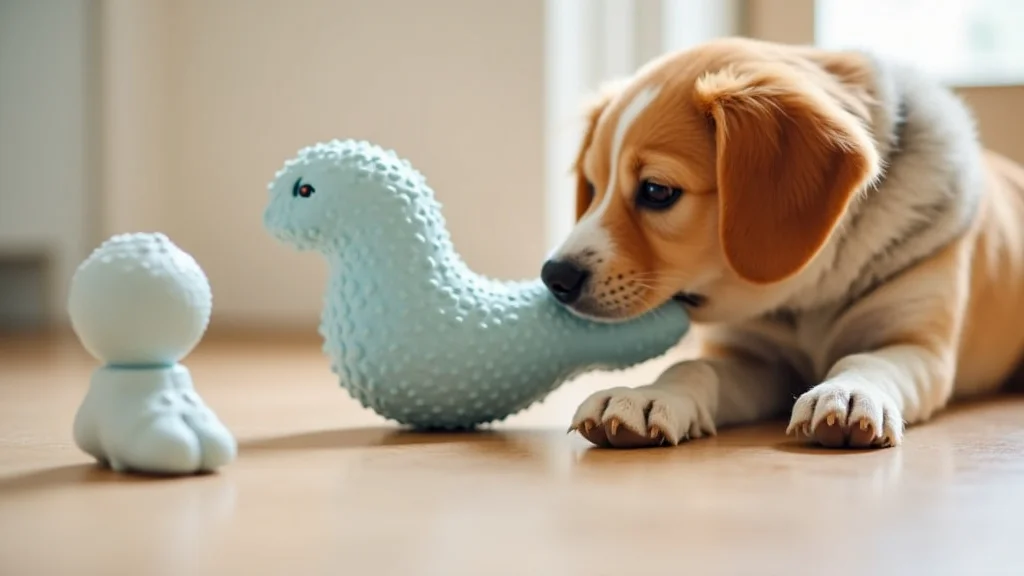
Picture this: Your furry friend, tail wagging furiously, eyes locked on a vibrant new toy. You toss it, and they happily chase, chew, and play. But is it safe? Many dog owners face this dilemma when choosing toys. This article explores the world of dog silicone toys, providing you with all the necessary information to make informed decisions for your pet. You’ll learn about different types, benefits, safety considerations, and how to choose the right toys for your dog. By the end, you’ll feel confident in selecting dog silicone toys that are both fun and safe, improving playtime and peace of mind.
Key Takeaways
- Discover the advantages of silicone toys over other materials.
- Learn about the different types of silicone toys available for dogs.
- Understand the importance of choosing safe, non-toxic options.
- Find out how to clean and maintain your dog’s silicone toys.
- Explore toys that promote your dog’s mental and physical stimulation.
- Get tips on selecting the ideal silicone toys based on your dog’s needs.
Unveiling the Advantages of Dog Silicone Toys
Silicone has become a popular material for various pet products. Its flexibility, durability, and safety make it an excellent choice for dog toys. Silicone is a synthetic polymer made from silicon, oxygen, carbon, and hydrogen. This unique composition gives it several advantages over other materials frequently used in dog toys. Silicone doesn’t contain the harmful chemicals often found in plastic toys, and it’s built to last. It can withstand intense chewing, making it a great option for power chewers. Also, silicone is resistant to extreme temperatures, making it a suitable choice for both indoor and outdoor play.
This section explores why silicone stands out as a top material for canine companions. We’ll delve into the chemical properties that make silicone so unique. We’ll explore how its safety profile and durability contribute to its increasing popularity among pet owners.
Safety and Non-Toxicity
One of the top reasons people choose dog silicone toys is their safety. Unlike some plastics, silicone is non-toxic. This means it won’t release harmful chemicals if your dog chews on it. You can rest easy knowing that your dog isn’t exposed to dangerous substances. It’s also important to look for toys that are food-grade silicone. This means they’ve been tested and approved for contact with food, ensuring they are safe for your pet. This food-grade silicone is commonly used in baby products and kitchen utensils due to its safe nature.
- No BPA, Phthalates, or Latex: High-quality silicone toys are free of these harmful chemicals.
- Food-Grade Certification: Look for toys that have been tested and approved.
- Reduced Choking Hazards: While no toy is completely choke-proof, silicone toys are less likely to break into small pieces.
- Hypoallergenic Properties: Silicone is generally hypoallergenic, reducing the risk of allergic reactions.
Consider a case study: a dog owner switched from plastic toys to silicone ones after discovering their dog was experiencing digestive issues. The symptoms stopped, indicating that the plastic toys might have been the problem. This illustrates the importance of choosing safe toy options.
Durability and Resilience
Dogs can be rough on their toys, so durability is important. Silicone is remarkably durable, capable of withstanding constant chewing and play. The material’s flexible nature prevents it from cracking or breaking easily. This means dog silicone toys typically last longer than toys made from other materials. This saves you money in the long run. Moreover, the elasticity of silicone allows it to spring back to its original shape, even after intense use.
- Resists Chewing: Silicone is tough and can withstand a lot of abuse.
- Flexible and Bouncy: This gives the toys added play value.
- Temperature Resistant: Silicone can handle extreme temperatures, making it suitable for all climates.
- Long Lifespan: Silicone toys last longer, reducing the need for replacements.
Imagine your dog has a favorite toy. With a silicone toy, you can be sure it will last for months, if not years, with proper care. This is especially beneficial for heavy chewers who quickly destroy traditional toys.
Hygiene and Easy Cleaning
Keeping your dog’s toys clean is important for their health. Silicone is non-porous. This means it doesn’t absorb liquids or harbor bacteria. It’s much easier to clean than toys made from materials like cloth or rubber. You can wash silicone toys with soap and water or even put them in the dishwasher. The ease of cleaning ensures a hygienic playtime experience. Proper cleaning also helps prevent the buildup of bacteria and mold.
- Non-Porous Surface: Prevents bacteria from penetrating.
- Easy to Wash: Can be cleaned with soap and water or in the dishwasher.
- Resistant to Mold and Mildew: Helps maintain toy hygiene.
- Quick Drying: Silicone toys dry quickly after washing.
As an example, picture a muddy day at the park. Your dog’s toy gets covered in dirt. A silicone toy is easy to rinse off. This is far easier than trying to scrub the dirt out of a cloth toy.
Types of Dog Silicone Toys: A Playtime Guide
Silicone toys come in various shapes and sizes. Each is designed to satisfy different play styles and needs. From chew toys that satisfy chewing urges to interactive toys that stimulate the mind, there’s a silicone toy for every dog. Understanding the different types can help you choose the best toys for your pet. The key is to consider your dog’s size, breed, and play preferences. The most popular dog silicone toys include chew toys, puzzle toys, fetch toys, and treat-dispensing toys.
This section explores the various types of silicone toys, highlighting their features and benefits. It helps you choose the perfect toys for your dog.
Chew Toys: Satisfying the Chew Crave
Chewing is a natural behavior for dogs. Silicone chew toys provide a safe and durable outlet for this instinct. These toys come in many shapes, such as bones, rings, and sticks. They are designed to withstand heavy chewing. These toys are usually made from harder silicone, providing resistance that helps clean teeth and massage gums. Regular chewing can help reduce plaque buildup and promote better oral hygiene. Make sure to choose a size appropriate for your dog to prevent choking hazards.
- Dental Benefits: Help clean teeth and massage gums.
- Durable Construction: Made to withstand strong chewing.
- Various Shapes and Sizes: Available in bones, rings, and other designs.
- Stress Relief: Provide a way for dogs to relieve stress and boredom.
Consider a Labrador Retriever that loves to chew. A durable silicone bone can keep them entertained. It can also help to prevent them from chewing on furniture or other inappropriate items.
Puzzle Toys: Engaging the Mind
Puzzle toys are designed to challenge and entertain dogs. These toys often involve hiding treats or kibble inside. The dog must solve a puzzle to get the reward. Silicone is an excellent material for puzzle toys. Its flexibility and durability allow for complex designs. These toys help to stimulate your dog’s mind, reduce boredom, and promote problem-solving skills. Puzzle toys come in various levels of difficulty, suitable for dogs of all ages and breeds.
- Mental Stimulation: Keeps dogs mentally active and engaged.
- Treat-Dispensing: Rewards dogs for solving puzzles.
- Reduces Boredom: Provides entertainment and prevents destructive behaviors.
- Various Difficulty Levels: Suitable for dogs of all skill levels.
For example, a dog may need to slide a panel or turn a dial to get a treat. These toys help with mental development and provide an alternative to traditional toys.
Fetch Toys: Fun and Exercise
Fetch toys are great for active dogs who love to run and play. Dog silicone toys designed for fetch are often lightweight. They are easy for dogs to carry. They are also durable enough to withstand being thrown and retrieved repeatedly. These toys come in various shapes, like balls, frisbees, and sticks. The flexible nature of silicone helps to prevent injuries. Silicone fetch toys are usually buoyant and can be used in water.
- Promote Exercise: Encourage physical activity and help keep dogs fit.
- Safe for Teeth: Softer than traditional rubber balls, reducing the risk of dental damage.
- Durable Construction: Withstand constant throwing and retrieving.
- Water-Friendly: Many silicone toys float, making them great for water play.
Imagine playing fetch with your dog at the beach. A silicone ball is perfect for the water and can easily be cleaned.
Treat-Dispensing Toys: Rewarding Play
Treat-dispensing toys combine fun and rewards. These toys release treats as your dog plays. They provide mental stimulation and encourage positive reinforcement. They come in various designs, such as balls and cylindrical shapes. You can fill them with treats or kibble. As your dog plays, the treats fall out, rewarding their efforts. These toys can keep dogs occupied for longer periods. They also make training fun and effective.
- Positive Reinforcement: Rewards dogs for playing and interacting with the toy.
- Extended Playtime: Keeps dogs entertained for a longer time.
- Easy to Fill: Designed for easy treat loading.
- Encourage Problem-Solving: Challenge dogs to figure out how to get the treats.
Consider a dog who needs extra mental stimulation. A treat-dispensing toy can provide hours of fun. It also prevents boredom and destructive behaviors.
Choosing Safe Dog Silicone Toys: Key Considerations
Safety is the most important factor when selecting toys for your dog. While silicone is generally safe, not all toys are created equal. It’s important to be aware of certain aspects to ensure the toy is suitable for your pet. Consider your dog’s size, chewing habits, and any potential health issues. This section will guide you through the key considerations. We will cover how to find the safest, most appropriate silicone toys.
This section outlines essential safety considerations. It will help you choose the best silicone toys for your dog. It prioritizes health and well-being.
Material Quality and Certifications
The quality of the silicone used in the toy is important. High-quality silicone is food-grade and free of harmful chemicals. Look for toys that are certified by reputable organizations. The certifications indicate that the toy has been tested for safety. Look for certifications like FDA (Food and Drug Administration) approval. This means the toy has been approved for contact with food. This ensures that the toy is safe for your pet to chew.
- Food-Grade Silicone: Ensure the toy is made from non-toxic materials.
- BPA-Free: Avoid toys that contain Bisphenol A.
- Phthalate-Free: Check for toys that do not contain these potentially harmful chemicals.
- Certifications: Look for certifications from trusted organizations.
A pet owner reads the label on a toy and finds that it is FDA-approved. They’ve found a toy that they can be sure is safe for their dog.
Size and Durability Matching
Choose the correct size of the toy for your dog. A toy that is too small can be a choking hazard. Choose a toy that is appropriately sized. It should be too large to be swallowed. Consider the dog’s breed and size when choosing a toy. A small dog doesn’t need a large, heavy toy. A large dog may quickly destroy a toy that is not durable. Choose toys based on how aggressively your dog chews. For heavy chewers, opt for toys designed to withstand strong biting.
- Size Appropriateness: Choose toys that are appropriate for your dog’s size.
- Chewing Intensity: Select toys that match your dog’s chewing habits.
- Check for Damage: Inspect the toy regularly for any signs of wear and tear.
- Replace Damaged Toys: Replace toys that show signs of damage.
For a small breed, a tiny silicone ball might be perfect. For a large, aggressive chewer, a thicker, more durable silicone bone is better.
Avoiding Choking Hazards
While dog silicone toys are generally safe, always watch for potential hazards. Inspect the toy regularly for any signs of damage. Broken or damaged toys can create small pieces. These pieces can be a choking hazard. Throw away any toy that has pieces missing or that is starting to come apart. Don’t leave toys unattended. This prevents the dog from chewing and swallowing unsafe parts. The best way to prevent choking is to choose age-appropriate toys.
- Regular Inspections: Check toys frequently for wear and tear.
- Discard Damaged Toys: Remove any toy that shows signs of damage.
- Supervise Playtime: Don’t leave toys with your dog unattended.
- Choose Appropriate Sizes: Select toys that are too large to be swallowed.
Imagine finding that a toy you gave your dog is tearing apart. This is a sign to throw the toy away. You can prevent potential harm.
Maintaining and Cleaning Dog Silicone Toys
Proper care and cleaning are important to keep your dog’s silicone toys in good condition. Regular cleaning helps maintain hygiene. It also extends the life of the toys. Cleaning your dog silicone toys is simple. The non-porous nature of silicone makes it easy to maintain. This section will provide the best tips for cleaning and storing toys. It also includes instructions on how to identify when it’s time to replace them.
This section will offer practical advice. It helps you keep your dog’s toys clean, safe, and long-lasting.
Simple Cleaning Procedures
Cleaning dog silicone toys is easy. You can wash them with warm, soapy water. Use a mild dish soap to remove dirt and debris. Avoid harsh chemicals, as they may harm your dog. After washing, rinse the toy thoroughly. Make sure there is no soap residue. For deeper cleaning, you can boil silicone toys for a few minutes. This process helps to sterilize them. Always allow the toy to dry completely before giving it back to your dog.
- Warm, Soapy Water: Use mild dish soap to clean the toys.
- Rinse Thoroughly: Ensure all soap residue is removed.
- Boiling (Optional): Sterilize the toys by boiling them for a few minutes.
- Air Dry: Let the toys dry completely before giving them back.
Imagine your dog’s toy getting dirty. You can easily clean it. Then rinse it thoroughly and dry it for their next play session.
Storage and Lifespan
When not in use, store toys in a dry, clean place. This prevents them from collecting dust and dirt. Check the toys regularly for damage. Look for tears, cracks, or any signs of wear.
- Store in a Dry Place: Keep toys away from dust and dirt.
- Inspect Regularly: Look for any signs of damage.
- Replace Damaged Toys: Replace toys immediately if they’re damaged.
- Lifespan Varies: Durability varies based on the dog’s play style.
A dog owner regularly inspects their dog’s toy. They notice a small tear and immediately replace it to ensure their dog’s safety.
Signs to Replace Your Dog’s Toys
Knowing when to replace your dog’s toys is important for their safety. Common signs include tears, cracks, or missing pieces. If the toy starts to fall apart, replace it. If the toy gets too small or the dog can tear it apart easily, discard it. Other signs include changes in shape or texture. A change in the smell of the toy can also mean it’s time for a replacement. Regular toy checks help to prevent any accidents.
- Tears and Cracks: Replace the toy immediately.
- Missing Pieces: Remove any toy that has pieces missing.
- Changes in Shape or Texture: Sign of wear and tear.
- Unusual Odors: Sign that the toy is no longer suitable.
A dog owner spots a tear in their dog’s chew toy. They quickly get rid of it to prevent a choking hazard.
Common Myths Debunked
Myth 1: Silicone Toys Are Always Indestructible
While silicone is a durable material, no toy is completely indestructible. Heavy chewers can still damage silicone toys. Over time, even high-quality silicone toys can show signs of wear and tear. It’s important to inspect toys regularly. Replace them if they show any signs of damage.
Myth 2: All Silicone is the Same
The quality of silicone can vary. Some silicone is made with fillers. It isn’t as safe or durable as food-grade silicone. It’s essential to check product labels. Look for certifications that indicate food-grade and non-toxic materials. The certifications are important for your dog’s safety.
Myth 3: Silicone Toys Can’t Harbor Bacteria
Although silicone is non-porous, bacteria can still grow on the surface. Without regular cleaning, bacteria and mold can develop. Cleaning dog silicone toys regularly is important. This ensures a healthy and safe play environment for your pet.
Myth 4: If a Toy is Expensive, It’s Guaranteed to be Safe
The price of a toy does not always guarantee its safety. Always prioritize certifications and material quality over price. Many affordable silicone toys are safe and durable. Ensure the toy meets safety standards, regardless of the cost.
Myth 5: All Silicone Toys Are the Same Type of Silicone
Silicone comes in different grades, with varying properties. Not all silicone toys are the same. Some are harder or softer. Others are designed for different purposes, like chew toys or puzzle toys. When selecting toys, consider the specific function. Choose toys appropriate for your dog’s play style.
Frequently Asked Questions
Question: Are silicone toys safe for puppies?
Answer: Yes, silicone toys are generally safe for puppies. Make sure to choose toys that are appropriately sized and made from food-grade, non-toxic silicone.
Question: How often should I replace my dog’s silicone toys?
Answer: Replace your dog’s toys when they show signs of damage, such as tears, cracks, or missing pieces. Regular inspections are recommended.
Question: Can I use harsh chemicals to clean my dog’s silicone toys?
Answer: No, avoid using harsh chemicals or abrasive cleaners. Use mild soap and warm water to clean your dog’s toys.
Question: Are there any specific certifications to look for when buying silicone toys?
Answer: Yes, look for certifications like FDA approval. This indicates that the toy has been tested and approved for safety.
Question: Do silicone toys help with dental hygiene?
Answer: Certain silicone toys, such as chew toys, can help clean teeth and massage gums, contributing to dental hygiene.
Final Thoughts
Choosing the right toys for your dog is an important part of pet ownership. Dog silicone toys offer a safe and durable option. They can satisfy your dog’s natural chewing instincts and provide mental stimulation. By selecting toys made from high-quality, non-toxic silicone, you can ensure your dog’s safety. Consider the size, durability, and type of toy. Regularly cleaning and inspecting toys helps to keep them in good condition. This keeps your dog entertained and healthy. With the right silicone toys, you can create a fun and engaging playtime experience. This benefits both you and your furry companion. Explore the world of silicone toys. Discover the perfect options to keep your dog happy and entertained.