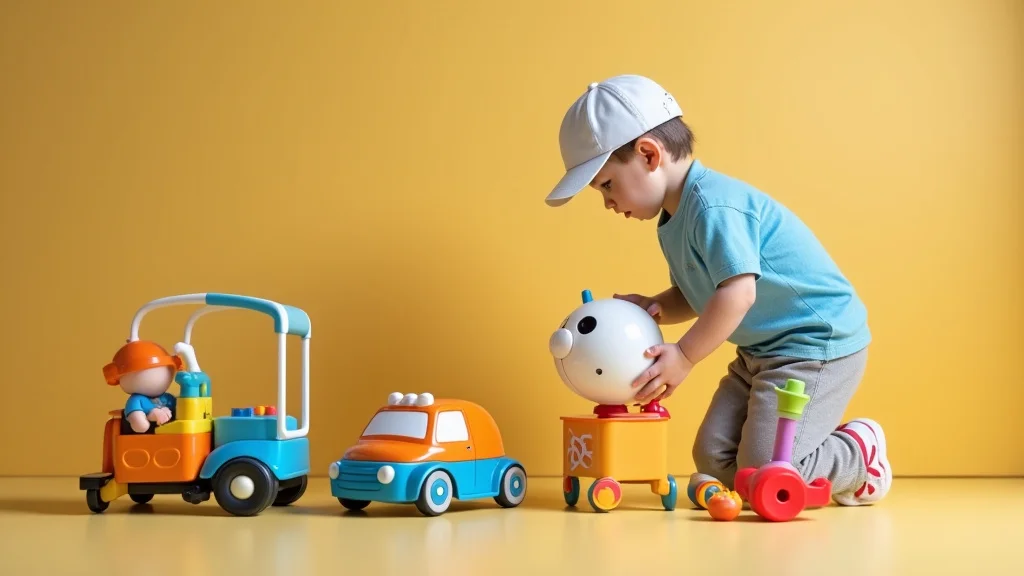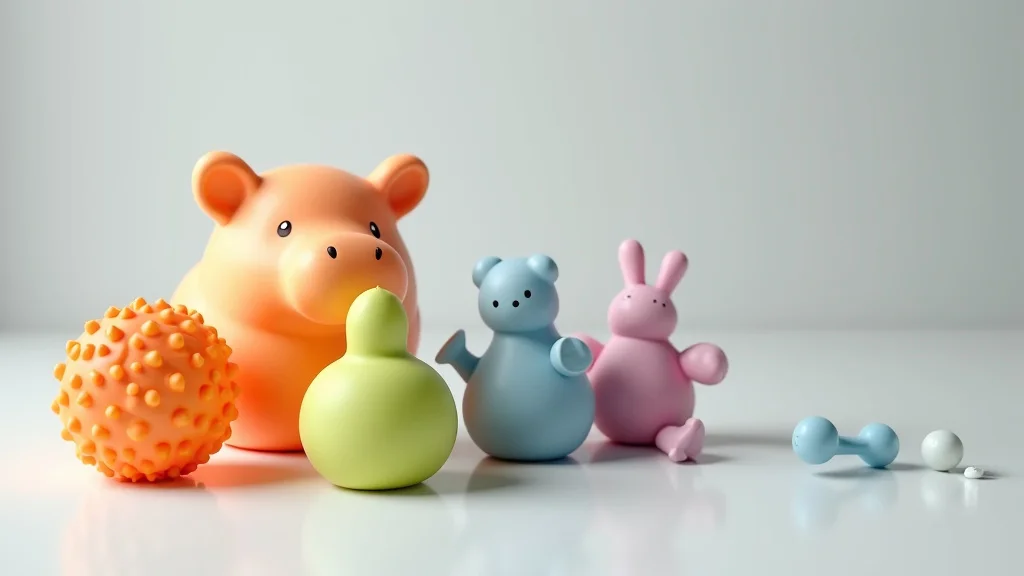
Remember that time your little sibling wouldn’t stop fidgeting with their toys during dinner? Or maybe you’ve noticed a friend’s child constantly reaching for something to touch and manipulate. Those are telltale signs of needing sensory input, and that’s where silicone sensory toys shine! This guide explores everything you need to know about these versatile playthings, covering what they are, why they’re helpful, and how to find the right ones. By the end, you’ll gain a deeper appreciation for the benefits of silicone sensory toys and learn how they can make a positive impact.
Key Takeaways
- Silicone sensory toys provide tactile stimulation, which helps children and adults focus and relax.
- These toys come in various shapes and sizes, each offering unique sensory experiences.
- The materials used are safe and easy to clean, making them a practical choice for parents.
- Silicone sensory toys can improve fine motor skills and hand-eye coordination.
- They offer a discreet way to manage anxiety and reduce stress.
- Different types cater to diverse sensory needs and preferences.
Understanding Silicone Sensory Toys
Silicone sensory toys are specifically crafted to engage the senses, particularly touch. They are typically made from food-grade silicone, a soft, flexible, and durable material known for its safety and ease of cleaning. These toys come in numerous forms, from simple textured shapes and fidget poppers to more complex puzzles and manipulative devices. The primary goal is to provide sensory input – textures, shapes, and movements – that helps individuals regulate their emotions, focus their attention, and reduce stress.
The beauty of silicone lies in its versatility. It can be molded into virtually any shape, allowing for a wide variety of tactile experiences. Toys can be smooth, bumpy, ridged, or filled with engaging elements like beads or liquid. The material is also temperature-resistant, so some toys can be chilled or heated to provide a different kind of sensory experience. This adaptability makes silicone an excellent choice for creating toys that cater to different sensory preferences and needs.
What Makes Silicone a Great Material?
Silicone stands out as an ideal material for sensory toys due to several key qualities. It’s non-toxic, meaning it’s free of harmful chemicals that could pose a risk to children. This is particularly important for toys that might be mouthed or handled frequently. Silicone is also naturally resistant to bacteria and mold, making it a hygienic choice. Plus, the material is incredibly durable, able to withstand rough play and repeated use without breaking down or losing its shape.
Another advantage of silicone is its flexibility. It can be easily molded into various shapes and textures, offering a diverse range of sensory experiences. The material’s soft, pliable nature makes it comfortable to handle, further enhancing its appeal. The ease of cleaning is another significant benefit. Silicone toys can be quickly washed with soap and water, ensuring they remain clean and safe for children to play with.
- Safety: Silicone is non-toxic and free of harmful chemicals, making it safe for children.
- Durability: The material is strong and can withstand rough handling and frequent use.
- Flexibility: Silicone can be molded into numerous shapes and textures.
- Hygiene: Resistant to bacteria and mold, it’s easy to clean and keep sanitized.
Different Types of Silicone Sensory Toys
The variety of silicone sensory toys available is extensive, offering options to suit diverse preferences and needs. From simple fidget toys to complex activity sets, there’s something for everyone. Some popular types include fidget poppers, which provide tactile and auditory stimulation with their popping bubbles, and textured balls and shapes, designed to provide a range of tactile experiences. Chewy toys made of silicone offer oral sensory input, which can be calming for some children.
Beyond these simple items, there are also more elaborate silicone sensory toys. These include stacking toys that help develop fine motor skills, puzzles that challenge problem-solving abilities, and even wearable silicone items like bracelets or necklaces designed to be fidgeted with discreetly. The design of these toys keeps evolving, incorporating new textures, shapes, and features to meet the diverse sensory requirements of children and adults.
- Fidget Poppers: These toys offer tactile and auditory stimulation through their popping bubbles.
- Textured Shapes: Balls, blocks, and other shapes feature varied textures for tactile input.
- Chewy Toys: Silicone toys designed for safe chewing and oral sensory satisfaction.
- Stacking Toys: These items promote fine motor skills and spatial awareness.
- Puzzles: Silicone puzzles combine tactile and cognitive stimulation.
Benefits of Silicone Sensory Toys
Silicone sensory toys offer a multitude of benefits, affecting various aspects of development and well-being. They’re particularly helpful for individuals with sensory processing differences, autism, or ADHD. However, anyone can gain from using these tools. The toys create a calming effect, improving focus, reducing anxiety, and aiding in the development of fine motor skills. They also provide a safe and effective method for exploring sensory input, helping people understand and manage their sensory needs.
Sensory toys, including those made of silicone, help regulate emotions. The act of manipulating and touching the toy can provide a calming effect, decreasing feelings of anxiety or stress. This can be especially useful in situations where a child is feeling overwhelmed or upset. In addition to emotional regulation, these toys aid the development of fine motor skills and hand-eye coordination. Activities like stacking blocks, working with puzzles, or squeezing a textured ball help children strengthen the small muscles in their hands and improve their ability to coordinate hand movements.
Promoting Focus and Attention
One of the primary advantages of silicone sensory toys is their ability to enhance focus and attention. When a child or adult has something to fidget with, it can help redirect excess energy and restless movements, allowing the individual to concentrate on the task at hand. The tactile stimulation provided by the toy can act as a grounding mechanism, bringing the user’s attention back to the present moment and minimizing distractions. This is helpful in environments like classrooms, offices, or anywhere where sustained attention is required.
The simplicity of these toys is key to their effectiveness. Unlike electronic gadgets or complex games, silicone sensory toys don’t overstimulate. They provide a specific type of sensory input, allowing the user to manage their focus in a way that feels natural and non-disruptive. This can be particularly beneficial for children who struggle with attention disorders, helping them regulate their impulses and stay engaged in learning activities.
- Reduce Distractions: Fidgeting can redirect excess energy, allowing individuals to concentrate better.
- Provide Grounding: The tactile experience brings attention back to the present moment.
- Enhance Engagement: Can help individuals stay engaged in tasks, reducing restlessness.
- Simple and Effective: Silicone toys are easy to use and don’t overstimulate.
Improving Fine Motor Skills
Silicone sensory toys are a fantastic way to improve fine motor skills and hand-eye coordination. Toys like stacking blocks, small puzzles, and textured shapes require the user to grasp, manipulate, and assemble objects. These activities help strengthen the small muscles in the hands and fingers, improving dexterity and control. The repetitive actions involved in using these toys also build hand-eye coordination by aligning visual input with motor responses.
The advantages extend beyond simple dexterity. Fine motor skills are foundational for many everyday tasks, from writing and drawing to buttoning a shirt or tying shoelaces. By providing opportunities for children to practice and refine these skills through play, silicone sensory toys lay a critical groundwork for future success and independence. Moreover, these activities can be fun and engaging, turning the process of skill-building into an enjoyable experience.
- Grip and Control: Toys like stacking blocks require the user to grasp and manipulate objects.
- Muscle Strength: Strengthens the small muscles in the hands and fingers.
- Hand-Eye Coordination: Improves by aligning visual input with motor responses.
- Everyday Tasks: Helps develop skills that are essential for daily activities.
Managing Anxiety and Stress
Silicone sensory toys are particularly beneficial for managing anxiety and stress. The act of touching and manipulating a textured object provides a calming effect. The repetitive movements involved can be soothing, helping to release tension and redirect anxious thoughts. The sensory input from the toy acts as a grounding technique, bringing the individual’s attention back to the present moment and away from stressful thoughts or feelings.
This can be valuable in various situations, whether dealing with general stress or specific anxieties like social anxiety, test anxiety, or other triggers. The toys offer a discreet way to self-regulate without drawing attention. They’re easy to carry and use in public without disrupting others, making them an ideal tool for coping with difficult emotions. This provides a sense of control and empowerment, enabling individuals to manage their stress and anxiety effectively.
According to the Anxiety & Depression Association of America (ADAA), the use of sensory tools is one method to address anxiety, and it is frequently incorporated into therapeutic settings for both children and adults.
- Provide Calming Effect: The act of touching a textured object can release tension.
- Offer Grounding: They bring attention back to the present moment.
- Discreet Use: Silicone toys can be used in public without drawing attention.
- Empowerment: Enables individuals to manage stress and anxiety effectively.
Choosing the Right Silicone Sensory Toys
Choosing the correct silicone sensory toys involves thinking about the individual’s sensory needs and preferences. Start by considering what sensory experiences the person enjoys and what they might find calming or engaging. Do they like soft or firm textures? Do they enjoy activities involving movement? Do they benefit from oral stimulation? Once you’ve identified these factors, you can explore the different types of silicone toys available to match the individual’s needs.
Also, prioritize safety. Ensure the toys are made from food-grade silicone and are free of harmful chemicals. Read reviews from other parents or caregivers to get insight into the toy’s quality and durability. Consider the age and developmental stage of the individual. Younger children may benefit from simpler designs and larger sizes to prevent choking hazards, while older children and adults may enjoy more complex options. Ultimately, the correct choice is the toy that meets the individual’s needs in a way that is safe and enjoyable.
Consider Individual Sensory Needs
When choosing silicone sensory toys, it’s vital to consider the individual’s unique sensory requirements. Some individuals may crave deep pressure or weighted sensations, in which case, a textured ball or a filled toy might be beneficial. Others may prefer light, airy textures, making a fidget popper a good choice. Some people may find smooth surfaces calming, while others may crave rough or bumpy textures. Pay attention to what the individual seems to respond positively to.
Also, take into account the environment where the toy will be used. A quiet environment may benefit from a silent toy, whereas a busy environment might require a toy that offers more intense sensory feedback to help the individual focus. Experimentation is important. Trying different types of toys can help you find what works best. This requires open communication with the individual and paying attention to their reactions and preferences.
Prioritizing Safety and Quality
Safety is an essential factor when selecting silicone sensory toys. Always confirm the toy is made from food-grade silicone, which is free of toxic chemicals and safe for children. Examine the product for any loose parts or small pieces that might create a choking hazard, particularly for children under three years old. Look for toys that have been tested and certified by recognized safety standards. This can include certifications from agencies like the Consumer Product Safety Commission (CPSC) in the United States or equivalent organizations in other countries.
The quality of the toy is also vital. Look for items constructed well that can withstand regular use. Read reviews from other customers to understand their experiences with the toy. It’s often worth paying a bit more for a higher-quality toy to ensure its longevity and safety. Regular inspection of the toys is essential, replacing any toys that show signs of damage or wear. Keeping these things in mind will help ensure that the silicone sensory toys are not only beneficial but also safe for the user.
Where to Find Silicone Sensory Toys
Silicone sensory toys are easily accessible in various places, both online and in physical stores. Online retailers such as Amazon, Etsy, and specialized sensory toy websites provide a wide selection, often with detailed product descriptions and customer reviews. Local toy stores, particularly those focused on educational or developmental toys, typically carry a selection of silicone sensory toys. Medical supply stores and therapy centers are also places to search, as they frequently carry specialized toys.
Before purchasing, compare prices and read reviews to ensure you’re getting a good value for your money. Look for reputable sellers with positive feedback. Consider the store’s return policy in case the toy isn’t the right fit. When shopping in person, you can examine the toys firsthand, feeling the textures and checking the build quality. Whatever your shopping approach, the availability of silicone sensory toys ensures you can easily find toys that meet your requirements.
Online Retailers and Specialty Shops
Online retailers, like Amazon and Etsy, provide an extensive selection of silicone sensory toys. Amazon features various brands and product types. Etsy offers handcrafted and specialized toys from independent sellers. Specialized sensory toy shops are another option, which frequently stock a curated selection of high-quality, innovative toys. These dedicated shops often have detailed product descriptions, making it easier to select the correct toy.
When shopping online, compare prices, read product descriptions carefully, and examine customer reviews. Pay close attention to the seller’s rating and return policies. Some specialized shops provide valuable information, such as educational content or expert advice, which helps inform your selection. These platforms make it easy to explore a range of toys, from basic fidget items to more complex sensory gadgets. Online shopping simplifies the process of finding the perfect silicone sensory toys.
Local Stores and Therapy Centers
Shopping for silicone sensory toys in local stores offers the advantage of immediate access and the chance to assess the toys in person. Toy stores, particularly those focusing on educational or developmental toys, usually have a variety of silicone sensory items. These stores allow you to feel the textures, examine the quality, and test the toy before purchasing. This hands-on method can be particularly helpful when selecting toys for children.
Another excellent source can be medical supply stores or therapy centers. These establishments often have a wider selection of specialized sensory toys. These may include options with unique textures, weights, or designs. Purchasing from such locations guarantees that the toys meet specific standards and are suitable for therapeutic use. Staff members can provide expert guidance, assisting in selecting toys based on individual sensory requirements. Local stores offer a convenient and personal way to shop for silicone sensory toys.
Common Myths Debunked
Myth 1: Silicone sensory toys are only for children with autism.
Reality: While silicone sensory toys can be very helpful for autistic children, they’re not exclusive to them. These toys can benefit anyone who experiences anxiety, stress, or trouble focusing. They’re a practical tool for anyone who wants to improve their focus or find a calming outlet.
Myth 2: All silicone sensory toys are the same.
Reality: There’s a wide variety of silicone sensory toys. They come in many shapes, sizes, and textures, each offering a unique sensory experience. From fidget poppers to textured blocks and chewable items, it’s essential to find the right toy to fit individual preferences and requirements.
Myth 3: Silicone sensory toys are only for children.
Reality: Silicone sensory toys can be helpful for people of all ages. Adults can benefit from these items as a method of managing stress or improving focus. Many adults employ these toys in their workplaces or daily life.
Myth 4: Silicone toys are not safe for chewing.
Reality: Many silicone sensory toys are specifically crafted for safe chewing and are designed to be mouthed. These toys are usually made from food-grade silicone, a non-toxic material. However, not all silicone toys are for chewing, so it is necessary to check the product details and manufacturer’s instructions.
Myth 5: Sensory toys are a replacement for therapy.
Reality: Sensory toys can be helpful tools, but they aren’t a
Frequently Asked Questions
Question: What is silicone made from?
Answer: Silicone is made from silicon, oxygen, carbon, and hydrogen. It’s often derived from silica, which is found in sand.
Question: Are silicone toys durable?
Answer: Yes, silicone is a durable material that can withstand frequent use and rough play.
Question: How do I clean silicone sensory toys?
Answer: You can clean silicone toys with warm water and soap. They can also often be placed in the dishwasher.
Question: Are silicone sensory toys suitable for all ages?
Answer: Yes, but it is important to choose age-appropriate toys. Small items can be a choking hazard for young children.
Question: Can silicone sensory toys help with ADHD?
Answer: Yes, silicone toys can improve focus and attention. They can be beneficial for individuals with ADHD.
Final Thoughts
In short, silicone sensory toys are a valuable addition to many lives. They offer a simple yet effective way to manage stress, improve focus, and refine motor skills. The wide range of options, from fidget poppers to textured shapes and chewy toys, ensures that there’s a silicone toy for everyone’s needs. The material’s safety, durability, and ease of cleaning make it a practical choice for parents, educators, and anyone seeking a tactile and beneficial experience. Consider exploring different types and finding toys that are tailored to your unique requirements and preferences. Experiment to discover the calming effect these toys can have on your daily life.