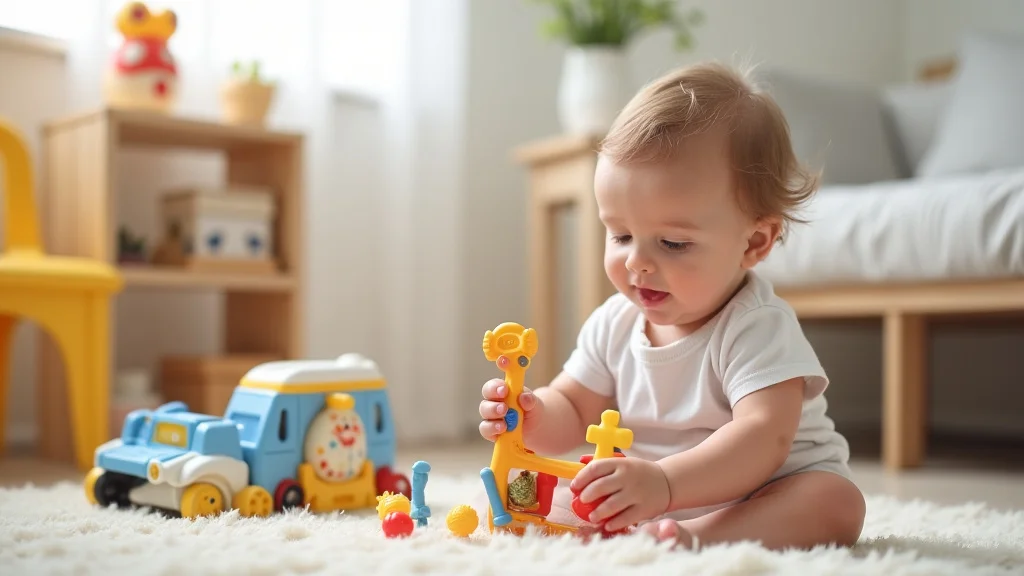
Picture this: You’ve just brought your little bundle of joy home. The house is filled with excitement, and you’re surrounded by an overwhelming amount of baby gear. Among the items are toys for 0 to 3 months, and you’re wondering which ones are truly beneficial. Should you invest in expensive electronic gadgets, or are there simpler options? This guide will help you sort through the options and determine which toys for 0 to 3 months are best for your baby’s development. We’ll explore safe choices, stimulate sensory development, and help you create a nurturing environment. Get ready to explore the best options, providing your baby with the perfect foundation for growth!
Key Takeaways
- Discover the best types of toys for babies aged 0 to 3 months, based on development stages.
- Learn how toys can support your baby’s sensory and cognitive development during the first few months.
- Understand what to look for in terms of safety and materials when choosing toys.
- Find out about simple, budget-friendly toy options that are effective and engaging.
- Explore how toys can enhance parent-child bonding and interaction.
- Gain insights into how to use toys to support your baby’s milestones.
Developmental Stages and Toys for Early Months
During the first three months, your baby is undergoing incredible growth, especially in their sensory and cognitive skills. They move from simply reacting to the environment to start recognizing patterns, sounds, and objects. They begin to focus on objects and follow them with their eyes. This period sets the foundation for their future development. Choosing the right toys can support this growth, providing essential stimulation without overwhelming your child. It is important to remember that babies at this stage can’t see colors as vividly, so contrasting colors are easier to see. They can hear and react to various sounds. Therefore, toys that offer visual and auditory stimulation are vital. Consider toys that can be used for tummy time to build core muscles. Prioritize toys that are safe, non-toxic, and simple enough to promote learning and exploration.
Sensory Development Toys
Sensory development is at the heart of your baby’s growth during these early months. Babies learn about the world by using their senses, and these toys can help. They begin to distinguish different shapes, sounds, and colors. The toys you choose should stimulate their senses and help them explore their surroundings. Think about what will capture their attention without being overstimulating. The key is to introduce a variety of stimuli to keep them engaged. Look for toys that are safe and easy for them to grasp, watch, and hear.
- High-Contrast Toys: Newborns can see high-contrast patterns best. These toys can include black and white books, and reversible soft blocks. The contrast helps them to focus and develop their vision.
- Rattles and Soft Toys: Soft rattles and cuddly toys are helpful for tactile and auditory stimulation. They can improve hand-eye coordination and provide comfort.
- Musical Toys: Simple musical toys, such as musical mobiles or toys with gentle sounds, encourage auditory development. They provide rhythmic and soothing sounds.
High-contrast toys are excellent for newborns because they stimulate visual development. Newborns do not have fully developed eyesight, and they can see contrast better than they can see colors. This is why black and white or high-contrast patterns are easier for them to focus on. These toys often feature bold patterns, simple shapes, and clear lines, which capture your baby’s attention and encourage them to explore.
Rattles and soft toys offer a combination of sensory experiences that support overall development. The noise of a rattle stimulates the baby’s hearing. Soft textures help with tactile exploration and provide a sense of security. As babies reach for these toys, they practice their hand-eye coordination. These toys are usually easy for babies to grasp, encouraging them to learn and play.
Musical toys introduce babies to different sounds and tones. They encourage babies to respond to different sounds and create a positive association with music. These toys provide auditory stimulation in a gentle way. Musical mobiles with soft melodies can also help soothe babies and assist them in falling asleep.
Cognitive Stimulation Toys
Cognitive development is about how your baby learns, thinks, and solves problems. During these early months, your baby is beginning to understand cause and effect. They start to recognize patterns and remember objects. Toys can play a vital role in stimulating their developing minds. The key is to select toys that encourage observation, exploration, and the simple understanding of concepts. Keep the toys simple and focus on those that promote thinking and curiosity. The aim is to help the baby learn how things work through interaction and play.
- Mirrors: Mirrors designed for babies can help them recognize themselves and develop spatial awareness. They love to see their faces and observe their movements.
- Activity Gyms: Activity gyms offer overhead toys, sounds, and textures that engage multiple senses. They help with reaching and kicking.
- Mobile Toys: Mobiles are for visual tracking and auditory stimulation. They are often placed above the crib or changing table.
Mirrors offer an opportunity for self-discovery and visual engagement. Babies are fascinated by faces, and the mirror allows them to explore their own features and facial expressions. This experience helps them develop self-awareness and social skills. Mirror toys can also boost hand-eye coordination as they watch themselves and try to move in coordination.
Activity gyms are designed to promote physical and cognitive development. They typically include hanging toys of various shapes, colors, and textures. These toys encourage the baby to reach, grasp, and kick, improving their gross motor skills. The bright colors, sounds, and textures stimulate sensory exploration, helping babies learn about their surroundings.
Mobiles provide visual stimulation and help babies develop their visual tracking skills. As the mobile moves, babies learn to follow the objects with their eyes, which supports their eye muscles. The gentle movement and soft sounds often calm babies and encourage them to focus. Mobiles with gentle music or sounds also offer auditory stimulation.
Safety First: Choosing Safe Toys
Safety should be a top priority when choosing toys for infants. Babies put everything in their mouths. Toys must be safe in order to prevent choking, toxic exposure, and other hazards. Consider the materials and the construction of the toy. Make sure to regularly check the toys for any damage. Select toys that are age-appropriate. Always choose reputable brands and read reviews to ensure product safety.
Material Safety Considerations
The materials that toys are made of are important for your baby’s safety. Babies often put toys in their mouths, so they can easily ingest harmful substances. Check that the toys are made from non-toxic materials. The paints, fabrics, and plastics should be free from dangerous chemicals. Natural and organic materials are good choices. Regularly inspect toys to ensure that they are still safe.
- Non-Toxic Materials: Choose toys made from non-toxic materials, like BPA-free plastics and organic fabrics. These materials reduce the risk of harmful chemicals exposure.
- Lead-Free Paints: Make sure toys have lead-free paints. Lead exposure can cause serious health problems.
- Durable and Washable Materials: Choose toys that are durable and easy to clean. This is important for hygiene.
Non-toxic toys help prevent the introduction of harmful chemicals into your baby’s system. It is important to know that many everyday materials can contain dangerous substances. BPA-free plastics, organic cotton, and natural wood are often safe choices. These materials ensure that your baby’s health is safeguarded from toxic exposure. This careful selection of toys minimizes the risks and encourages safe play.
Lead-free paints are crucial because lead is dangerous to infants. Lead poisoning can affect a baby’s brain and nervous system, leading to developmental issues. Choosing toys with lead-free paints guarantees your baby will not be exposed to this harmful substance. These paints often go through strict testing. By selecting lead-free toys, you’re providing a safer environment for your child.
Durable and washable toys ensure both safety and hygiene. They can withstand the wear and tear of a baby. Toys often end up in your baby’s mouth. Regularly washing toys removes germs and dirt and keeps them hygienic. Durable toys often survive longer, offering great value.
Choking Hazards and Size Safety
Choking is a serious concern for babies. Toys must be big enough that they cannot be swallowed or pose a choking risk. Inspect every toy regularly and look for anything that could break off and become a hazard. Avoid toys with small parts. Ensure that toys are well-constructed and do not have any loose pieces. Choose toys that are appropriate for your baby’s age and developmental stage.
- Large Toys: Avoid toys with small parts that can detach. Choose toys that are large and pose no choking risk.
- Securely Attached Parts: Check all toys for parts that are securely attached. Make sure eyes, buttons, and other parts are firmly in place.
- Regular Inspections: Regularly inspect toys for wear and tear. Throw away any damaged toys.
Large toys are important for baby safety. Babies are prone to putting things in their mouths, and any small part can become a choking hazard. Toys that are large, solid, and made of one piece will prevent accidents. Regularly checking the toy for any loose parts is important.
Securely attached parts are a must for toy safety. These parts should not be able to be detached. This is crucial for avoiding choking hazards. Check the construction of the toy and make sure all parts are strongly attached. Before giving a toy to your baby, give it a tug. This guarantees that all pieces are securely in place.
Regular inspections are necessary to ensure the safety of toys. Over time, toys can become damaged or broken, creating hazards. Check toys for any cracks, tears, or loose parts. Remove any toys that are damaged and throw them away. Regularly checking your baby’s toys will reduce risks.
Budget-Friendly Toy Ideas
Providing enriching play experiences for your baby doesn’t have to break the bank. There are many affordable options that offer great developmental benefits. Simple toys are often the most effective. Handmade options or repurposed items can provide stimulation and fun. Focus on toys that encourage exploration, interaction, and creativity. Don’t believe that expensive toys always equal more benefits. The best toys will always match your baby’s needs and interests.
DIY Toy Alternatives
DIY toys offer a budget-friendly and fun way to engage with your baby. You can create toys using common household items. They can provide sensory stimulation and encourage interaction. Always consider safety. Select safe, non-toxic materials. You can make simple toys like sensory bottles. Remember to supervise your baby when they are playing with any homemade toys.
- Sensory Bottles: Fill clear plastic bottles with rice, beans, or water and colorful objects. Ensure the bottle is tightly sealed.
- Soft Fabric Books: Make or buy soft fabric books with various textures and colors.
- Homemade Mobiles: Create a mobile using colorful paper shapes or fabric cutouts, hung safely above the crib.
Sensory bottles are great for visual and auditory stimulation. Filling a clear bottle with materials like rice, beans, or water and adding colorful items creates a captivating experience for babies. These bottles encourage sensory exploration and help babies recognize different sounds, textures, and colors. This activity is a cost-effective way to entertain and educate your baby.
Soft fabric books offer babies a tactile and visual experience. These books are ideal for tactile exploration. They often include different textures, colors, and patterns, which are attractive to young children. Babies can touch and feel the different materials. They are easily washable, which makes them hygienic and safe.
Homemade mobiles stimulate visual development. Using colorful paper shapes or fabric cutouts, you can create a mobile for your baby. Hanging the mobile safely above the crib, you can create a visual focal point. The gently moving shapes help your baby to track objects. Mobiles help develop eye muscles and visual skills. They add a decorative touch to the nursery.
Utilizing Household Items
Many common household items can become great toys. Empty boxes, pots, and wooden spoons can be used for creative and interactive play. This approach not only saves money, it encourages your baby to explore everyday objects. Make sure to supervise your child during play and always prioritize safety.
- Empty Boxes: Provide cardboard boxes of various sizes for safe exploration.
- Kitchen Utensils: Offer safe kitchen items such as wooden spoons or plastic containers for play.
- Mirror Play: Use a safe, unbreakable mirror for visual engagement.
Empty boxes stimulate a baby’s curiosity and creativity. They can be used for climbing, hiding, or imaginative play. Boxes offer open-ended play experiences. This allows babies to explore at their own pace. They can also improve motor skills, as babies try to lift, drag, and move the boxes around.
Safe kitchen utensils provide sensory and motor skill development. Wooden spoons and plastic containers are great for creative play. Your baby can bang them, stack them, and explore different sounds and textures. Ensure the items are clean and free of sharp edges. This activity encourages creative play and hand-eye coordination.
A safe mirror is an important tool for baby’s self-discovery. A mirror can help develop visual and cognitive skills. Babies love to look at their reflection. They start to recognize themselves and develop spatial awareness. They also improve their visual tracking skills as they move their body parts and watch their reflections.
Toys for Bonding and Interaction
Toys can be important for fostering parent-child bonding. Playtime offers a great way to interact with your baby and support their development. It can create positive memories and strengthen your relationship. During playtime, be present and responsive to your baby’s cues. This makes play an experience that can benefit your relationship.
Interactive Play Ideas
Interactive play helps improve bonding between you and your baby. It helps your baby to develop essential communication and social skills. You can sing songs, read books, and play simple games. These interactions foster a connection. They also help your baby to learn through shared experiences.
- Singing Songs: Sing songs and rhymes to create connection.
- Reading Books: Read books and point to pictures.
- Play Simple Games: Play games like peek-a-boo or clapping games.
Singing songs to your baby boosts their language skills and creates positive associations. The rhythm and melody of songs capture their attention. This enhances their listening abilities. The act of singing creates connection and strengthens your bond. It creates a calming effect and promotes emotional well-being. Singing also helps babies learn words and improve their communication skills.
Reading books introduces your baby to language and storytelling. Pointing to pictures helps them learn vocabulary and understand concepts. The sound of your voice and the intimacy of reading together create a bond. Reading allows for shared experiences and encourages a love of books from an early age. Reading is also a great way to wind down before naps and bedtime.
Playing games, such as peek-a-boo and clapping games, supports emotional and cognitive development. These games are fun and interactive and help babies learn about object permanence. They also teach your baby about anticipation and turn-taking. Playing games with your baby improves your connection. It provides opportunities for laughter and joy, building a secure relationship.
Encouraging Parental Involvement
Parental involvement is essential for maximizing the benefits of toys. Being an active participant can increase your baby’s engagement and encourage their development. Make sure you respond to your baby’s cues during playtime. Create a learning environment where your baby feels safe. Spend quality time playing and learning together.
- Responding to Baby’s Cues: Pay attention to your baby’s cues and respond to their interests.
- Providing a Safe Environment: Ensure that the play area is safe and free from hazards.
- Quality Time: Spend focused, quality time playing with your baby.
Responding to your baby’s cues is essential for responsive parenting. When you watch your baby’s reactions, you can ensure they remain happy and engaged. When you see your baby smiling, cooing, and making sounds, you can play along. Responding to their cues creates a secure connection. This helps improve their self-esteem and encourage their sense of self.
A safe play area is key to your baby’s well-being. By ensuring that the play area is clean and free of hazards, you reduce the risk of accidents. This makes playtime more relaxing and enjoyable for both of you. A safe area allows your baby to explore without constant worry. This helps them become more independent and improves their confidence in the environment.
Focused playtime supports your baby’s development and strengthens your bond. Spend time together, without distractions. This supports your baby’s learning. It also creates a sense of trust and security. Quality time gives you the chance to observe your baby’s behaviors. You can also react to their needs and preferences. This experience can help you learn and grow together.
Toys That Support Milestones
Toys can support and encourage your baby’s milestones. These early developmental stages are important. The right toys can provide necessary stimulation and make learning fun. Select toys that match your baby’s current abilities. You can introduce new challenges as they grow. This approach supports their development and creates fun for both of you.
Fine Motor Skill Toys
Fine motor skills include the small movements we make with our hands and fingers. These skills are essential for future activities. You can give your baby toys that help them to grasp, manipulate, and coordinate movements. This helps them with grasping, transferring, and exploring the world. These simple tasks build a base for later, more complex skills.
- Rattles with Handles: Help your baby practice grasping and holding objects.
- Stacking Rings: Help with hand-eye coordination and spatial reasoning.
- Soft Blocks: Encourage grasping, transferring, and exploring textures.
Rattles with handles encourage babies to grasp and hold items. The handle helps them to learn how to grip. This improves their hand-eye coordination. As they reach for and hold the rattle, they develop the fine motor skills they need for future tasks. The different textures and shapes of the rattle also help with sensory development.
Stacking rings are excellent for developing hand-eye coordination and spatial reasoning. Babies learn to recognize the size and shape of the rings. As they try to stack the rings, they improve their fine motor skills. These toys give your baby a fun way to learn and develop skills. They help your baby to problem-solve and develop their cognitive skills.
Soft blocks encourage exploration and improve hand-eye coordination. Babies enjoy picking up and manipulating these blocks. These activities build fine motor skills and teach them to understand concepts such as shape and texture. Soft blocks are safe. They are great for building their knowledge of their world.
Gross Motor Skill Toys
Gross motor skills involve large muscle movements, such as rolling, sitting, and crawling. Toys help babies improve these skills. They encourage physical activity. They also make movement fun and engaging. These toys stimulate these actions and promote overall physical well-being.
- Tummy Time Toys: Promote head lifting and strengthening neck muscles.
- Mirrors for Sitting Practice: Encourage babies to sit up and look at themselves.
- Activity Gyms with Hanging Toys: Encourage reaching and kicking, supporting physical development.
Tummy time toys encourage babies to lift their heads, strengthening their neck muscles. These toys are often colorful and engaging. They keep your baby’s attention and encourage them to look up. This physical activity builds the muscles needed for rolling over, crawling, and sitting up. These toys are beneficial for overall development.
Mirrors are a fun way to motivate babies to sit. When babies see their reflections, they become engaged. This gives them a reason to sit up straight and keep their balance. As they gaze at themselves, they improve their posture and balance. This exercise boosts their confidence.
Activity gyms are a fun way to encourage physical development, particularly reaching and kicking. These gyms include various hanging toys, which capture your baby’s attention. Your baby will kick and reach, working their legs and arms. These activities help with muscle development. Activity gyms give your baby a stimulating environment to have fun.
Common Myths Debunked
Myth 1: Expensive toys are always better.
The reality is that the cost of a toy doesn’t guarantee quality or value. Simple, budget-friendly toys can be just as effective in promoting development. What matters most is the interaction and engagement that the toy provides, not its price tag. Many low-cost options offer ample opportunities for learning and play. This helps babies to discover their environment and build skills without necessarily using expensive gadgets. Homemade toys can be the best choice!
Myth 2: Babies need toys with lots of sounds and lights to be engaged.
The reality is that babies can easily become overstimulated by toys with too much noise and flashing lights. Simple toys with fewer features allow babies to focus and concentrate better. These simpler toys can foster the baby’s ability to pay attention. Too many stimuli can lead to your baby becoming overwhelmed. Toys with fewer features promote sustained interest and encourage more interaction. A calm and gentle experience is often better for fostering a baby’s growth.
Myth 3: Babies will quickly outgrow their toys.
The reality is that many toys can be used across various developmental stages. Toys that offer different features can stay relevant for a longer period. Consider toys that can be adapted as your baby grows, providing ongoing engagement. Toys such as soft blocks can be used in different ways throughout the stages of development. Choose flexible options that will continue to offer enjoyment.
Myth 4: All toys labeled for infants are safe.
The reality is that toy safety can differ between brands. Always check for specific safety features, and regularly inspect toys for wear and tear. Make sure toys meet safety standards. Always choose toys from trusted brands. Read reviews to learn about the experiences of other parents. Take time to research toys before providing them to your baby.
Myth 5: Educational toys are the only ones that matter.
The reality is that all toys offer learning opportunities, even those that appear simple. The value lies in how a baby interacts with the toy and the experiences they have. Toys that stimulate creativity and support sensory play are as essential as the ones with explicit learning features. Encourage your baby to explore and enjoy their play. Make sure they have a positive connection with their toys.
Frequently Asked Questions
Question: When should I start introducing toys to my newborn?
Answer: You can start introducing toys shortly after your baby is born. Focus on high-contrast visuals, soft textures, and gentle sounds. As your baby grows, you can start using more interactive toys.
Question: How often should I clean my baby’s toys?
Answer: Clean toys frequently to maintain hygiene and safety. Toys that are often in the mouth need to be cleaned daily. Washable toys can be washed regularly. Regularly wipe down non-washable toys.
Question: What are the best materials for baby toys?
Answer: Look for toys made from non-toxic, safe materials like BPA-free plastics, organic cotton, and natural wood. Also, make sure that any paint is lead-free.
Question: Are activity gyms worth the investment?
Answer: Activity gyms can be beneficial for physical and cognitive development. They support tummy time, hand-eye coordination, and sensory exploration. You can choose a gym that matches your baby’s needs and interests.
Question: How can I choose toys that are appropriate for my baby’s development?
Answer: Consider your baby’s age and developmental stage. Select toys that stimulate their senses and encourage learning and exploration. Match the toy’s difficulty to your baby’s skill level. Make sure the toys have safety features.
Final Thoughts
Choosing the right toys for 0 to 3 months is an exciting part of the journey. As you learn more, you will be able to foster your baby’s development and create meaningful moments. The best toys will support your baby’s visual and auditory skills, while encouraging touch and feel. Always prioritize safety and consider age-appropriate options. Remember that you do not need to invest in the most expensive toys to provide a wonderful experience. Your involvement and interaction are the keys to a happy and enriching play environment. Embrace playtime as a time for bonding, learning, and sharing joy. Have fun, be present, and watch your baby thrive. Enjoy the journey and celebrate every milestone!