Picture this: a frazzled parent, bath time looming, and a determined toddler who is unimpressed with their current toy collection. Sound familiar? Finding the perfect bath toys that are safe, engaging, and easy to clean can feel like a quest. That’s where silicone bath toys step in. This guide explores everything you need to know about these popular toys, from their safety benefits to fun ways to use them, offering you valuable insights to make bath time a breeze. You’ll gain a deeper appreciation for their versatility and learn how they contribute to a cleaner, safer play environment, significantly improving your ability to select the right toys. This will help reduce bath time stress and increase engagement, leading to a more pleasant experience for everyone.
Key Takeaways
- Silicone bath toys are generally safer and more durable than other types of bath toys.
- They are simple to clean, minimizing the risk of mold and mildew growth.
- The flexibility and texture of silicone toys are ideal for sensory exploration.
- Consider the size and design of toys to ensure they are age-appropriate and engaging.
- Understanding the different types of silicone used helps ensure toy safety.
- Find out how to choose the right silicone bath toys for your child.
Choosing the Best Silicone Bath Toys
Selecting the appropriate bath toys is an essential task for any parent or caregiver, and choosing the right material is a very important part of the process. You want toys that are safe, long-lasting, and stimulating for your child. Silicone bath toys offer a range of advantages that make them a popular choice. We will explore the characteristics of silicone, including their benefits and the considerations for picking the right ones for your child.
What is Silicone and Why Use it for Toys?
Silicone is a synthetic polymer made from silicon, oxygen, carbon, and hydrogen. Unlike plastic, it’s not made from petroleum-based products. It is celebrated for its flexibility, durability, and resistance to extreme temperatures. It’s often used in cookware and baby products due to its non-toxic nature, making it a safe choice for toys. The material’s smooth texture and ability to be molded into a variety of shapes add to its appeal. The advantages of using silicone extend beyond safety. The material’s flexibility makes it difficult to break, and it’s resistant to water, making it a good fit for bath toys. Unlike many other materials, silicone won’t break down or release harmful chemicals. This reduces the risk of exposing children to toxins. The ability of the material to withstand high and low temperatures also contributes to safety.
- Non-Toxic: Silicone is inert and doesn’t leach harmful chemicals.
- Durable: Silicone withstands wear and tear much better than plastic.
- Flexible: Its pliability makes it safer and more enjoyable for children.
- Temperature Resistant: It can handle hot and cold water without degradation.
- Easy to Clean: Silicone’s non-porous surface prevents mold and mildew.
Silicone’s non-porous surface also means it doesn’t absorb water, which eliminates a common problem with bath toys: mold and mildew growth. This makes cleanup simple and helps maintain good hygiene. Silicone bath toys also offer a tactile experience. Their soft, smooth texture is fun to hold and play with. The material’s flexibility means it can be shaped into different designs.
Types of Silicone Used in Bath Toys
The type of silicone used in bath toys matters. Not all silicones are created equal. The most common type used in baby products and bath toys is food-grade silicone, which is tested and approved for safety. It means it is free from harmful chemicals like BPA, phthalates, and lead. Some manufacturers use medical-grade silicone for toys, which goes through extra rigorous testing and purification processes to ensure they are even safer. The choice of silicone type is crucial for the safety of children. When selecting toys, look for labels such as “food-grade” or “BPA-free.” These labels indicate that the product has gone through safety checks.
- Food-Grade Silicone: This is a common and safe choice, free from harmful chemicals.
- Medical-Grade Silicone: Offers the highest level of safety and purity.
- Silicone with Additives: Some silicones have dyes or fillers; always check safety certifications.
It’s also important to check for third-party certifications, such as those from the FDA or other recognized organizations. These certifications confirm that the toy has undergone independent testing and meets safety standards. While selecting toys, consider the reputation of the brand. Reputable brands often prioritize safety and quality. Look for reviews from other parents to get feedback on the durability and safety of the toys. Also, stay aware of recalls or safety advisories issued by consumer safety agencies. These can provide important information about potentially harmful products.
Safety Features to Look For
When selecting silicone bath toys, prioritize safety features. Size and shape are essential. Avoid small toys that a child could swallow. Look for toys that are large and have smooth edges to minimize the risk of injury. Also, look for toys with no detachable parts that could pose a choking hazard. Toys with sealed designs are less likely to accumulate water inside, decreasing the risk of mold growth. Inspect toys regularly for any signs of damage or wear and tear, and discard toys when damaged. Pay attention to the toy’s design. Toys with complex designs can be harder to clean and may harbor bacteria. Simpler designs are generally better for safety and hygiene. Consider the colors used in the toys. Avoid toys with brightly colored paints that might contain harmful dyes.
- Size and Shape: Large and smooth designs reduce choking hazards.
- Sealed Designs: Prevent water accumulation and mold growth.
- No Detachable Parts: Reduce choking risks.
- Material Certifications: Look for food-grade or BPA-free labels.
Also, consider the age of your child when choosing toys. Toys for newborns and toddlers should meet higher safety standards than toys for older children. As your child grows, you can move to more complex toys. The materials used in a toy are also important. Silicone is safe, but it can be mixed with other materials. Check for certifications, which confirm that the materials meet safety standards. Always buy bath toys from trusted brands with good customer reviews.
Benefits of Silicone Bath Toys for Sensory Development
Silicone bath toys offer significant advantages for children’s sensory development. Their unique properties provide opportunities for exploration and learning through play. These toys engage a child’s senses in a way that other toys may not. We will explore how silicone toys stimulate sensory exploration, helping children grow and learn.
Tactile Stimulation and Exploration
One of the primary benefits of silicone toys is the tactile experience they offer. The texture of silicone is naturally smooth and soft, making it appealing for children to touch and play with. This gentle texture is beneficial for children who are sensitive to touch. The flexibility of silicone allows it to be shaped into various designs, providing different textures and forms. The soft and pliable nature of the toys also allows for compression and manipulation. The ability to squish, bend, and mold silicone toys helps children develop fine motor skills. It also promotes hand-eye coordination.
- Softness: The gentle feel of silicone is pleasing to touch.
- Flexibility: The ability to squeeze and mold enhances motor skills.
- Texture Variations: Different designs offer various tactile experiences.
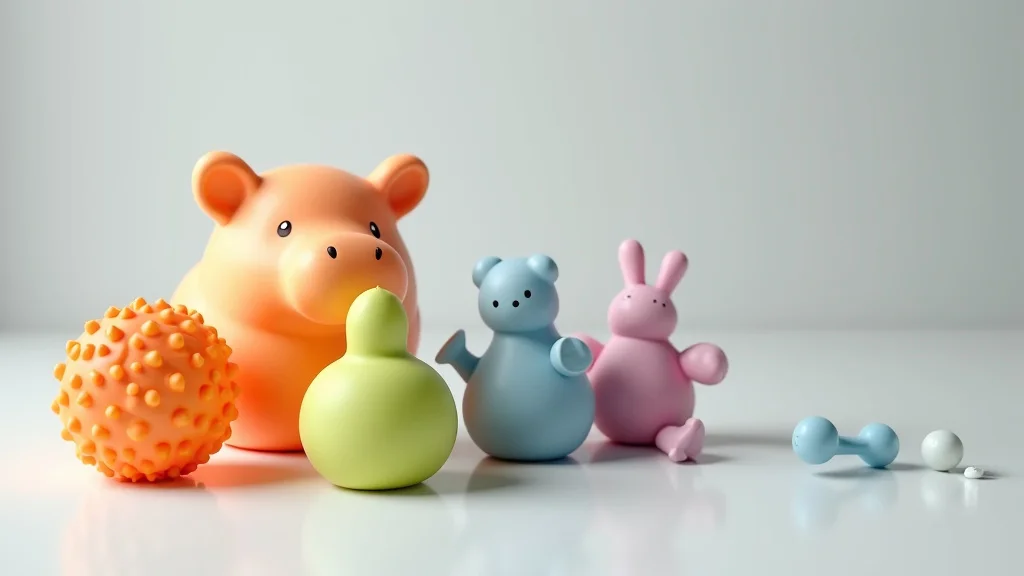
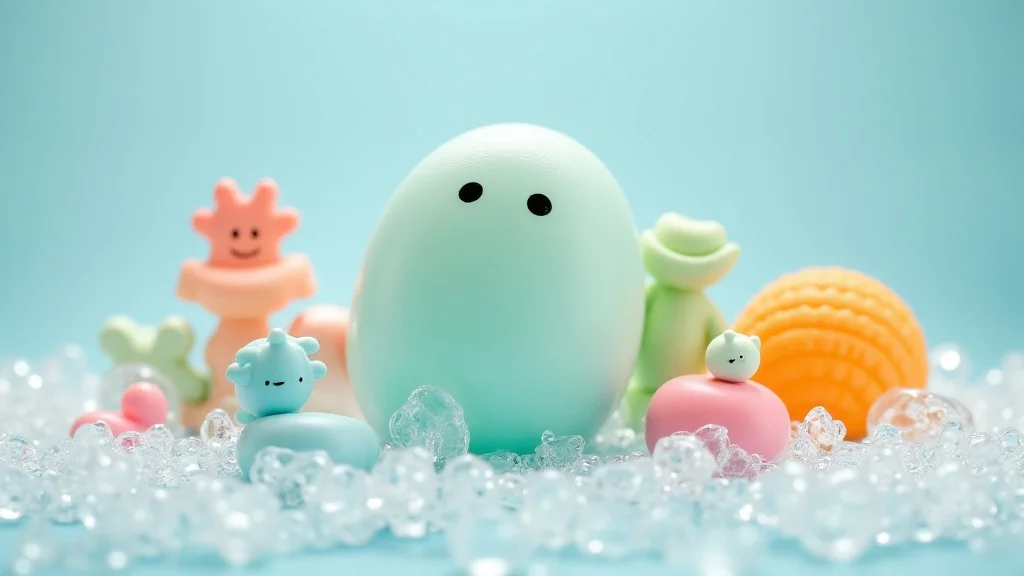
Beyond the feel of the material, silicone toys can include textured surfaces, such as bumps or ridges, which increase tactile variety. These elements help children distinguish between different textures. In addition to being tactile, some silicone toys offer visual stimulation. Silicone can be colored into a variety of shades. The colors of the toys help to stimulate visual development, attracting children and encouraging interaction. Toys designed in attractive shapes, like animals or geometric forms, add to the visual experience. These visual aspects make the toys more fun and contribute to the child’s learning.
Engagement and Playtime
Silicone bath toys contribute to engaging and playful experiences for children, improving bath time. Their design and properties inspire imaginative play and encourage sensory learning. Their flexibility and durability allow children to explore them in many ways. Their resistance to water ensures they remain safe for playtime. Silicone’s durability ensures they will endure frequent use.
- Durability: Silicone toys withstand active play.
- Water Resistance: They are perfect for use in water without degradation.
- Shape Variety: Various forms encourage different play scenarios.
The shape and design of silicone toys also contribute to play. Many are designed to be stackable, pourable, or designed to float, which encourages children to experiment with physics. Toys designed as animals, boats, or other figures offer opportunities for storytelling and imaginative adventures. Children can develop narratives and make their own games using toys. Their simplicity makes them great for play. The absence of complex mechanisms allows children to use their imagination.
Maintaining and Cleaning Silicone Bath Toys
Maintaining silicone bath toys is fairly easy, but regular cleaning is very important to make them last a long time and maintain hygiene. Because they do not absorb water, silicone toys are less prone to mold and mildew. Proper cleaning practices will ensure that toys are safe and ready for playtime. Here’s how to care for them.
Cleaning Frequency and Methods
Silicone’s non-porous nature makes it easy to clean. Regular cleaning prevents the buildup of bacteria and the formation of mold. You should clean bath toys after each bath. Thorough cleaning practices will ensure toys remain clean and safe. This can be done with a mild soap and warm water. For more thorough cleaning, you can boil silicone toys to remove bacteria. If your child has been ill, sterilizing the toys is recommended. After washing, rinse the toys and let them air dry completely before storing them.
- Rinsing: Rinse toys after each use to remove soap and debris.
- Washing: Use mild soap and warm water.
- Drying: Air dry toys thoroughly to prevent mold.
For more in-depth cleaning, you can wash toys in the dishwasher on the top rack. High heat in the dishwasher can help eliminate any lingering bacteria. You can also sterilize toys by boiling them in water. Boiling can be a good option for toys that might have gotten especially dirty. Always make sure the toys are dry before storing them. Store toys in a well-ventilated area. If you see any signs of mold, it’s very important to clean them immediately. Regularly inspect toys for signs of damage or wear. Discard toys that are damaged to prevent any potential hazards.
Preventing Mold and Mildew
Preventing mold and mildew is essential for maintaining hygiene. The non-porous surface of silicone helps deter mold growth. However, moisture can still get trapped in toys. Rinsing toys after each use is the first step to reduce mold and mildew. This eliminates any soap and debris that could trap moisture and promote growth. Allow the toys to dry completely after each use. A well-ventilated area promotes drying. For added safety, consider using a toy storage system that promotes airflow. For toys with internal spaces or crevices, you can use a bottle brush or small tool to clean those areas.
- Air Drying: Ensures the toys are completely dry after use.
- Proper Storage: Store toys in a well-ventilated place.
- Regular Inspections: Check toys for any sign of mold.
If you see mold, clean it immediately. Use a solution of vinegar and water, or a specialized toy cleaner. Scrub the toys thoroughly and rinse them completely. In cases of significant mold, consider replacing the toy. Check for any discoloration or change in texture. Any signs of damage should lead to removal. Proper storage is also important for mold and mildew prevention. Do not store toys in a closed container, as this will trap moisture and promote growth. Regular cleaning and care will keep toys safe for your child’s enjoyment.
Common Myths Debunked
Myth 1: Silicone toys always contain harmful chemicals.
Reality: Not all silicone is created equal. While low-quality silicone might contain additives or fillers, the vast majority of baby and bath toys are made from food-grade or medical-grade silicone, which is specifically tested to be free from harmful chemicals like BPA, phthalates, and lead. Always check for certifications like “BPA-free” or third-party testing reports.
Myth 2: Silicone bath toys are too expensive.
Reality: While the initial cost of silicone toys might be slightly higher than some plastic alternatives, their durability and longevity can make them a cost-effective choice in the long run. Since they don’t break down easily, you won’t need to replace them as often, and they can be passed down to other children.
Myth 3: Silicone toys are difficult to clean.
Reality: Silicone’s non-porous surface makes it incredibly easy to clean. You can simply rinse them with warm water and soap or put them in the dishwasher. Unlike porous materials, silicone doesn’t absorb water, which significantly reduces the risk of mold and mildew growth, making cleaning a breeze.
Myth 4: All silicone is the same.
Reality: There are different grades of silicone. Some are designed for industrial use, and others are specifically for baby products. Food-grade and medical-grade silicone are the safest choices for bath toys. These grades undergo extensive testing to ensure they are safe for children.
Myth 5: Silicone toys are not eco-friendly.
Reality: Silicone is a more environmentally responsible option compared to plastic. It’s a non-petroleum-based material and far more durable than plastic. This means that silicone toys last longer and reduce the need for frequent replacements, contributing to less waste. They also do not break down into microplastics that can pollute waterways.
Frequently Asked Questions
Question: Are silicone bath toys safe for newborns?
Answer: Yes, silicone bath toys are generally safe for newborns. Always choose toys made from food-grade or medical-grade silicone. Be sure the toys are appropriately sized to prevent any choking risks and have no small, detachable parts.
Question: How often should I clean silicone bath toys?
Answer: Clean silicone bath toys after each bath to remove any soap residue and debris. Perform a more thorough cleaning, such as boiling or using a dishwasher, at least once a week.
Question: Can I sterilize silicone bath toys?
Answer: Yes, you can sterilize silicone bath toys. Boiling them in water for a few minutes is an effective way to sterilize them. Always ensure the toys are completely dry before allowing your child to play with them.
Question: What should I do if I see mold on my silicone bath toys?
Answer: If you notice mold, immediately clean the toys with a solution of water and vinegar or a toy cleaner. Ensure you thoroughly rinse them. If the mold persists, consider replacing the toy to maintain your child’s health and safety.
Question: Are there any silicone bath toys to avoid?
Answer: Avoid silicone toys with small, detachable parts that could be a choking hazard. Also, avoid toys that have been damaged or show any signs of wear. Always make sure the toys are made with high-quality, food-grade or medical-grade silicone.
Final Thoughts
Silicone bath toys offer a blend of safety, hygiene, and fun, creating a fantastic option for parents looking to make bath time enjoyable and worry-free. Their non-toxic nature, durability, and ease of cleaning make them a practical selection. Silicone also stimulates sensory development through the soft, pliable material. You now know what to look for when choosing these toys, and how to properly maintain them to keep them in the best condition. With the knowledge you’ve gained from this exploration, you can confidently explore the market and choose the right toys for your little one. Remember to always prioritize safety features, and regularly check and clean the toys. Embrace the joy and ease that silicone bath toys bring and enjoy creating memorable moments during bath time!