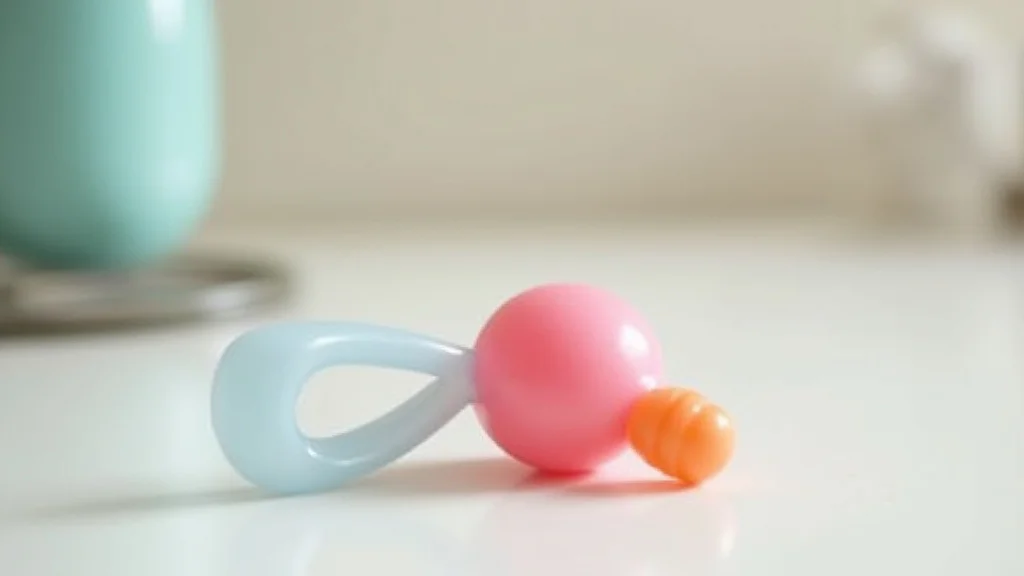
Picture this: a tiny human, gums throbbing, constantly putting things in their mouth. As a parent, you’re on a mission to soothe those tender gums and keep them safe. You’ve heard about silicone teether toys, but where do you even start? There are so many options! This post will guide you through the ins and outs of silicone teether toys, helping you select the best, safest, and most effective options for your little one. You’ll learn what to look for, what to avoid, and how to keep those teethers clean. Get ready to explore the world of baby teething!
Key Takeaways
- Learn about the safety standards and materials used in silicone teethers.
- Discover how to choose the right teether for your baby’s age and developmental stage.
- Understand the different types of silicone teether toys available.
- Find out how to properly clean and care for silicone teethers to ensure hygiene.
- Explore the benefits of silicone versus other teether materials.
- Understand the potential risks associated with some teether options.
The Allure of Silicone Teether Toys
Silicone teether toys have become a popular choice for parents. Their soft, flexible nature and resistance to temperature changes make them appealing. But why are they so popular? It’s not just about aesthetics; there are important factors that contribute to their effectiveness and safety. Knowing these will help you make an informed decision for your baby.
The Material Matters: What Is Silicone?
Silicone is a synthetic polymer derived from silica, which is found in sand. Unlike plastic, silicone is generally considered non-toxic, making it suitable for baby products. It is known for its flexibility, durability, and resistance to extreme temperatures. It doesn’t support the growth of mold or bacteria, making it an ideal choice for items that a baby might put in their mouth. It’s also free of phthalates, BPA, and latex, which are harmful chemicals that could pose a health risk to your baby.
- FDA Approval: Look for teethers that meet FDA standards, confirming they are safe for food contact.
- Medical Grade Silicone: This type of silicone is often used in medical devices and is considered very safe.
- Durability: Silicone teethers can withstand repeated use and sterilization without degrading.
One of the primary reasons silicone is favored is its ability to handle high temperatures. This means you can sterilize them by boiling or in a sterilizer without damaging the teether. This is a crucial feature for maintaining hygiene, protecting your baby from harmful germs, and giving parents peace of mind.
Comparing Silicone to Other Teether Materials
The marketplace offers teethers made of various materials, each with their own set of advantages and disadvantages. These materials include wood, plastic, rubber, and cloth. Comparing these options will provide a better appreciation of the benefits of silicone. Not all materials are made equal, and some may pose a higher risk to your baby.
| Material | Pros | Cons |
|---|---|---|
| Silicone | Soft, durable, non-toxic, easy to clean, temperature resistant | Can tear if not high-quality, can attract dust |
| Wood | Natural, biodegradable, durable | Can splinter, not easy to clean, may harbor bacteria |
| Plastic | Often inexpensive, variety of shapes | May contain harmful chemicals (BPA, phthalates), not as durable, difficult to sterilize |
| Rubber | Soft, flexible, natural | Can be allergenic, less durable than silicone, can harbor bacteria |
| Cloth | Soft, can be soothing | Easily absorbs saliva, difficult to clean, can harbor mold and bacteria |
The table shows the main advantages and disadvantages of each material. This allows for an easy comparison and makes it easier to select the material that suits your needs. A 2023 study by the American Academy of Pediatrics reported that many plastic teethers contain harmful chemicals. This further emphasizes the importance of selecting products that are safe for your baby.
Understanding Teether Styles
Silicone teethers come in many different shapes and sizes. These include those designed for grabbing, those that can be attached to a baby, and those that can be frozen. The ideal design depends on the baby’s preferences and the stage of teething they are in.
- Teething Rings: These are circular and easy for babies to grasp and chew. They often come with different textures to provide relief to different parts of the mouth.
- Teething Mitts: Designed to be worn on the baby’s hand, these allow babies to soothe their gums without dropping the teether. They often have textured surfaces.
- Teethers with Handles: These have easy-to-hold handles, making them ideal for babies who are learning to grasp objects.
- Teethers that Can Be Frozen: These provide extra soothing relief for sore gums. The cold helps to numb the pain.
Knowing the different designs will help you choose the best one for your baby. Some babies may prefer one style over another. You can always try several options to see which type your baby is most comfortable with. Different textures and designs help address various teething needs.
Choosing the Best Silicone Teether Toys for Your Baby
Selecting the right silicone teether is more than just picking a cute shape. Considering your baby’s age and developmental stage, plus their individual preferences, will help you find the best teether. Doing your research will help keep your baby safe.
Age and Development Considerations
The best teether for a three-month-old is different from the best teether for a ten-month-old. Early teething often involves generalized discomfort, so smaller teethers that are easy to grab are often ideal. Older babies may have more specific needs as they develop more teeth.
- 3-6 Months: Babies at this stage are just beginning to teeth. They often benefit from soft, easy-to-grip teethers.
- 6-12 Months: As more teeth erupt, babies need teethers that can reach further back in the mouth. Designs that combine different textures are also helpful at this stage.
- 12+ Months: Older babies may appreciate teethers with more complex shapes and those that are durable enough to withstand more intensive chewing.
Paying attention to your baby’s development allows you to select a teether that matches their current needs. As the baby grows and their teeth come in, the types of teethers they want and need can change.
Safety Features to Look For
The safety of a teether goes beyond the material. The design and construction also play a critical role in preventing potential hazards. These aspects can vary by manufacturer and brand, so knowing what to look for will make a big difference.
- Size and Shape: Make sure the teether is large enough that it can’t be swallowed. It should also be designed without any small parts that could come loose and pose a choking hazard.
- Hole-Free Designs: Avoid teethers with small holes where saliva or dirt could get trapped. This can increase the risk of bacterial growth and make cleaning more difficult.
- Durability: The teether should be robust enough to withstand the wear and tear of constant chewing. Check for any signs of cracking or tearing, and replace the teether if it shows any damage.
Always examine the teether before giving it to your baby. Regular inspection can catch any potential problems. Choosing teethers with safety-focused features is a smart way to ensure your baby’s health.
Essential Features: What to Prioritize
Focusing on the most important qualities can simplify the selection process. While many features can make a teether appealing, some stand out as essential for safety and effectiveness.
- Material Quality: Always choose teethers made from 100% food-grade silicone. This ensures that the teether is free from harmful chemicals.
- Texture and Design: Look for teethers that have a variety of textures. Different textures can massage gums and provide relief in various areas of the mouth.
- Ease of Cleaning: Select teethers that are easy to wash and sterilize. This will ensure they remain free from germs.
- BPA, Phthalate, and Latex Free: These additives are harmful and should be avoided in all baby products.
Prioritizing these essential features can make it easier to make your decision. It helps narrow down the choices and helps you focus on what truly matters: your baby’s safety and comfort. Focusing on these priorities will help you select a safe and effective teether.
Care and Maintenance of Silicone Teethers
Proper care of silicone teether toys is crucial for ensuring their safety and longevity. Cleaning a teether regularly will eliminate bacteria and prevent the spread of illness. Doing this can also extend the lifespan of the teether.
Cleaning and Sterilizing Methods
Keeping a silicone teether clean is simple with a few basic methods. The cleaning process can range from a quick wash to a full sterilization. You can choose the method that best suits your needs.
- Washing: Wash the teether with warm, soapy water after each use. Rinse thoroughly to remove all traces of soap.
- Sterilizing: You can sterilize silicone teethers by boiling them in water for a few minutes. You can also use a bottle sterilizer, which is designed to kill germs using steam.
- Dishwasher: Most silicone teethers are dishwasher-safe. However, check the manufacturer’s instructions for any specific recommendations.
The key to good hygiene is consistency. Regular cleaning can significantly reduce the risk of illness. Sterilizing is a good idea, particularly when your baby is sick or when you’re preparing the teether for the first time.
Inspecting for Damage
Regular inspection is essential for safety. Over time, silicone can break down. This is why you must inspect the teether every time before giving it to your baby.
- Check for Tears: Carefully examine the teether for any tears or cracks. Replace it immediately if you find any damage.
- Look for Discoloration: Changes in color may indicate wear and tear or the buildup of bacteria.
- Check for Stickiness: If the teether becomes sticky or gummy, it may be degrading and needs to be replaced.
Inspecting the teether is an easy, yet effective, step to keep your baby safe. By catching any potential problems early, you can take action before it becomes a hazard.
Common Myths Debunked
When it comes to silicone teether toys, there are many misconceptions. Sorting fact from fiction will help you make more informed decisions about your baby’s care. Here are some of the most common myths.
Myth 1: All Silicone Teethers Are Created Equal
The reality is that the quality of silicone varies. Some teethers are made from lower-grade materials that may contain additives or fillers, while others use premium, food-grade silicone. The manufacturing process and the overall design affect the safety and effectiveness.
Myth 2: Freezing Teethers Is Always Beneficial
While a cold teether can soothe sore gums, freezing a teether solid can make it too hard and potentially harmful for sensitive gums. Moderation is important; always ensure that the teether is safe before giving it to your baby.
Myth 3: Silicone Teethers Are Completely Germ-Proof
Although silicone is non-porous and resistant to bacteria, it’s not immune to germs. Proper cleaning and sterilization are still crucial. Even the best silicone teether will harbor bacteria if it is not cleaned frequently.
Myth 4: Any Teether Will Do the Job
Not all teethers are suitable for every baby. Teethers must be chosen according to a baby’s age and needs. A teether that’s right for a 6-month-old may be too small or too large for a 3-month-old.
Myth 5: Expensive Teethers Are Automatically Better
Price does not always reflect quality. Some expensive teethers may offer attractive features, but safety and effectiveness depend more on the material, design, and adherence to safety standards, rather than the price tag. Look for certifications and user reviews.
Frequently Asked Questions
Question: Are silicone teethers safe for my baby?
Answer: Yes, silicone teethers are generally safe if they are made from 100% food-grade silicone, are BPA-free, and meet safety standards. Always inspect the teether for damage before use.
Question: How often should I clean my baby’s teether?
Answer: Clean the teether with warm, soapy water after each use. Sterilize it regularly, especially if your baby is sick or when you’re preparing the teether for the first time.
Question: What should I look for when buying a silicone teether?
Answer: Look for teethers made from food-grade silicone, free from BPA, phthalates, and latex. The teether should also be the right size, shape, and have a design that is safe for your baby’s age and stage of development.
Question: Can I put my baby’s teether in the freezer?
Answer: Yes, many teethers can be placed in the freezer to provide cooling relief. However, be cautious and make sure it does not become too hard. Always check with the manufacturer’s directions.
Question: How long do silicone teethers last?
Answer: Silicone teethers can last a long time if properly cared for. Inspect the teether regularly for any signs of damage like tears or discoloration, and replace it as soon as there are any signs of wear and tear.
Final Thoughts
Choosing the right silicone teether toys is an investment in your baby’s comfort and well-being during the teething phase. You’ve now explored the essential qualities of silicone, the importance of selecting products that are safe, and methods to keep the toys clean. Remember, the best choice depends on your baby’s age, developmental stage, and individual preferences. From the material and design to the cleaning routine, your knowledge of silicone teether toys is now improved.
As you move forward, focus on products that meet safety standards, are easy to clean, and are designed for comfort. Observe your baby to understand what they like, and always monitor the teether for any signs of wear. Armed with the right information, you can find soothing solutions to help your baby through the teething process. Happy teething and enjoy these precious moments with your little one!