Picture this: a tiny human, full of smiles and drool, suddenly starts fussing, their gums red and swollen. You know what’s coming – teething! As a parent, you want to soothe your little one and find safe, effective solutions. One popular choice for easing teething discomfort is silicone teething toys. But with so many options, how do you choose the best one? This post will walk you through everything you need to know about these essential baby items. You’ll learn about their safety, benefits, and how to select the perfect toy for your baby. This comprehensive guide equips you with the knowledge to make informed decisions, ensuring both your baby’s comfort and your peace of mind.
Key Takeaways
- Understand the benefits of silicone teething toys for soothing sore gums.
- Learn about the safety standards and materials used in these toys.
- Discover the different types of silicone teethers and their unique features.
- Find tips on how to choose the right teether for your baby’s age and needs.
- Explore how to properly clean and maintain silicone teethers for hygiene.
- Gain insights into potential risks and things to avoid when using teethers.
The Wonders of Silicone Teething Toys
Teething is a significant milestone in a baby’s life. It marks the eruption of their first teeth, a process that can be accompanied by discomfort, irritability, and sleepless nights. Silicone teething toys provide a safe and effective way to alleviate these symptoms. These toys are specifically designed to be chewed on, offering a gentle counter-pressure that soothes sore gums. They come in various shapes and sizes, from simple rings to more complex designs, offering different textures and features to engage and comfort a teething baby.
Consider the science behind teething: As teeth push through the gums, they cause inflammation and tenderness. Chewing on a teether helps to massage the gums, which increases blood flow and reduces inflammation. This can significantly reduce pain and provide temporary relief. Furthermore, the act of chewing also satisfies a baby’s natural urge to gnaw and explore, which can further reduce fussiness and promote a sense of calm. Consequently, a good teether can be a lifesaver for both babies and parents.
What Makes Silicone a Great Choice?
Silicone is a polymer derived from silica, a compound found in sand. Its unique properties make it an ideal material for baby products like silicone teething toys. The primary reason is its safety. Silicone is inert, meaning it doesn’t react with other substances or leach harmful chemicals. This is particularly important when it comes to baby products because babies often put them in their mouths. Silicone is also temperature resistant, capable of withstanding both hot and cold temperatures, allowing for sterilization and safe use in freezers.
Here’s a breakdown of silicone’s benefits:
- Non-Toxic: Silicone is free from harmful chemicals like BPA, phthalates, and lead.
- Durable: It is tear-resistant and can withstand repeated chewing.
- Flexible: Silicone is soft and flexible, which is gentle on a baby’s gums.
- Easy to Clean: It can be easily washed and sterilized, preventing the buildup of bacteria.
- Hypoallergenic: It rarely causes allergic reactions.
The flexibility of silicone allows for a variety of designs and textures, allowing parents to choose a teether that suits their baby’s specific needs and preferences. Also, the material is tasteless and odorless, which means it won’t interfere with your baby’s eating habits or preferences.
How Are Silicone Teethers Made?
The manufacturing process for silicone teethers involves several steps, ensuring the final product is safe, durable, and effective. The process begins with the raw material, usually in the form of liquid silicone. This liquid is mixed with color pigments and other additives, as needed, to achieve the desired properties and appearance. The mixture is then poured into molds, often made of metal or other durable materials, which define the final shape of the teether.
Here’s a simplified overview of the process:
- Molding: The liquid silicone is poured or injected into the mold.
- Curing: The molds are heated to cure the silicone, a process that hardens and sets the shape.
- Inspection: Each teether undergoes a thorough inspection to ensure there are no defects or sharp edges.
- Cleaning: The finished teethers are cleaned to remove any residue from the manufacturing process.
- Packaging: The teethers are packaged in sealed containers to maintain hygiene.
Quality control measures are implemented throughout the manufacturing process to ensure the products meet strict safety standards. These measures may include tests for harmful chemicals, durability tests, and visual inspections for any defects. Because of this careful process, these toys provide peace of mind to parents.
Choosing the Best Silicone Teething Toys for Your Baby
The market has a vast variety of silicone teething toys, each with unique features. Selecting the right one for your baby depends on factors like age, developmental stage, and personal preferences. Understanding the different types available will help you make an informed choice that meets your baby’s needs and provides the greatest comfort.
The most important consideration is safety, making sure the toy meets the required safety standards, like those set by the Consumer Product Safety Commission (CPSC) in the United States or equivalent regulations in other countries. Also, it’s beneficial to review product labels for any certifications or claims that guarantee safety and absence of harmful substances.
Different Types of Silicone Teethers
Silicone teethers come in various shapes and designs, catering to different preferences and stages of teething. Some of the most common types include:
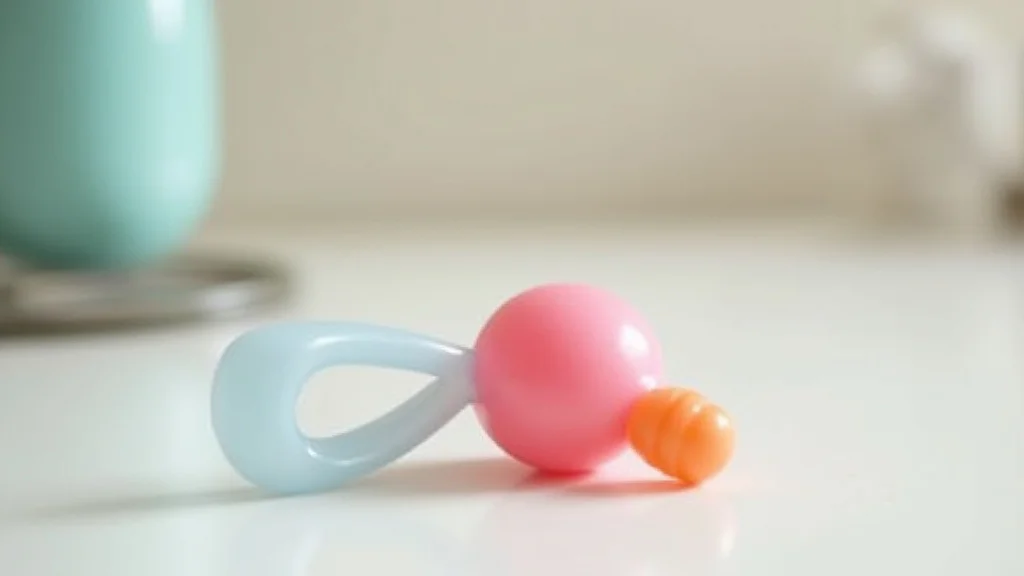
- Teething Rings: Classic and simple, these are easy for babies to grasp and hold. Their circular shape allows babies to chew on different parts.
- Textured Teethers: These come with various textures (bumps, ridges) that provide different sensations and can help massage the gums.
- Water-Filled Teethers: Designed to be cooled in the refrigerator, these teethers provide a soothing effect on sore gums.
- Teething Mittens: These are worn on the baby’s hand, allowing them to chew comfortably, especially for babies who have difficulty holding a teether.
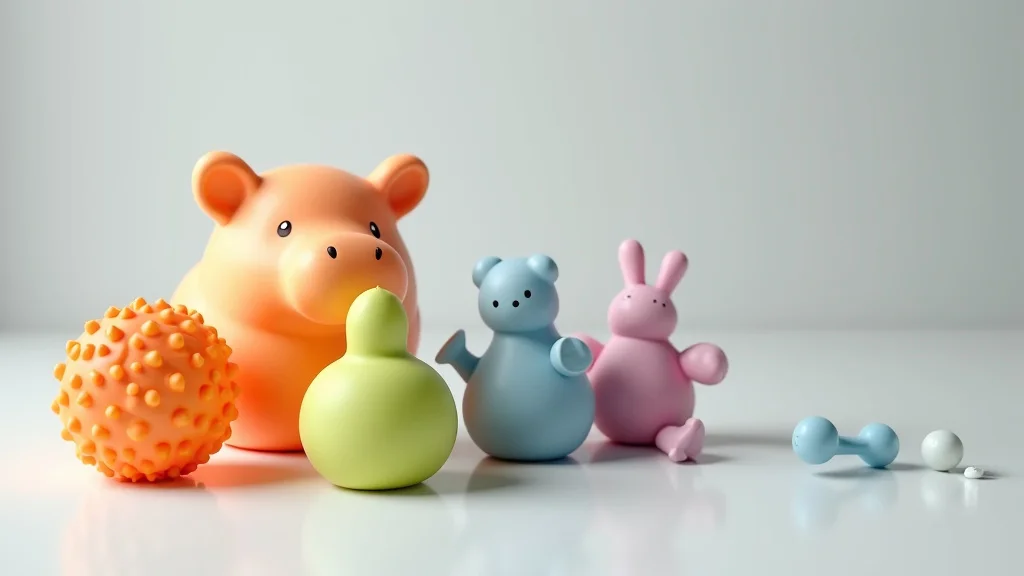
- Character Teethers: These are teethers shaped like animals or other fun characters, making them visually appealing to babies.
Each type offers distinct benefits, so you can explore which works best for your baby. Some parents also choose to have multiple types of teethers, which offers the baby a variety of options.
Age-Appropriate Teethers
It’s important to choose teethers that are appropriate for your baby’s age and developmental stage. For younger babies, consider lighter, easier-to-grasp options like teething rings or soft silicone teethers. As your baby develops, they may need more complex and durable teethers to manage increased chewing power. Always pay close attention to the age recommendations provided by the manufacturer.
Here are some guidelines:
- 0-6 Months: Look for lightweight, easy-to-grasp teethers with simple designs and soft textures. Avoid teethers with small parts that could be a choking hazard.
- 6-12 Months: Babies in this age group may benefit from textured teethers, water-filled teethers, or teethers with more complex shapes.
- 12+ Months: At this stage, you may choose more durable teethers.
Regularly inspect the teether for any signs of wear and tear, and discard it if it shows any damage. Always monitor your baby while they are using a teether, and ensure that they are not left unsupervised, as a safety measure.
Features to Consider
Several features can enhance the effectiveness and appeal of silicone teething toys. Consider these when choosing a teether for your baby:
- Texture: Textured teethers offer different sensations and can help massage the gums.
- Shape and Size: Choose shapes and sizes that are easy for your baby to hold and maneuver.
- Material: Make sure the teether is made from food-grade silicone, free from harmful chemicals.
- Ease of Cleaning: Choose teethers that are easy to clean and sterilize.
- Durability: The teether should be able to withstand chewing and constant use.
Some teethers incorporate extra features, such as attached clips to keep them from falling and getting dirty or built-in rattles or noise-making parts to keep your baby entertained. Think about your baby’s individual likes and needs when selecting these features.
Keeping Silicone Teething Toys Safe and Clean
Proper cleaning and maintenance of silicone teething toys is vital for your baby’s health and hygiene. This section will walk you through the essential steps and practices to keep these toys clean and safe for your little one. By following these guidelines, you can ensure that the teething toys provide relief without introducing any potential hazards.
The simple structure of silicone allows for easy cleaning, but it’s important to know the correct methods. Regular cleaning removes bacteria and prevents any potential health risks. Consider that a dirty teether can harbor bacteria that might cause infections. As a result, cleaning must be a daily part of caring for your baby’s teething toys.
Cleaning and Sterilizing Methods
There are several methods for cleaning and sterilizing silicone teethers, each with its advantages. Choose the method that best suits your lifestyle and needs. The primary goal is to remove any bacteria, dirt, and saliva that may have accumulated during use.
- Washing with Soap and Water: Wash the teether with warm, soapy water after each use. Rinse thoroughly to remove all traces of soap.
- Dishwasher: Many silicone teethers are dishwasher safe. Place them on the top rack.
- Sterilizing: Sterilize teethers to provide deeper sanitation. This can be done by boiling the teether in water for a few minutes. Make sure to let the teether cool completely before giving it to your baby.
- UV Sterilizers: These are becoming a popular option. They use ultraviolet light to kill bacteria and viruses without chemicals.
Regardless of the method you choose, it’s important to inspect the teether after cleaning. Ensure that there is no residue or damage. Always follow the manufacturer’s directions for cleaning.
Maintenance and Storage
Correct storage and maintenance of silicone teething toys also contributes to their longevity and safety. Proper care not only helps keep the teethers clean, but also helps to prevent premature wear. By storing them correctly, you can also prevent cross-contamination.
Here are some storage and maintenance tips:
- Inspect Regularly: Look for any signs of wear, such as cracks or tears. Discard the teether immediately if there is any damage.
- Dry Thoroughly: Always make sure the teether is completely dry before storing it.
- Store in a Clean Place: Keep teethers in a clean, dry place, away from direct sunlight and heat.
- Avoid Harsh Chemicals: Do not use harsh chemicals or abrasive cleaners.
By following these guidelines, you can keep your baby’s teething toys in good condition and ensure they are safe for use.
Common Myths Debunked
There are many myths and misconceptions about silicone teething toys. It’s important to separate fact from fiction to make informed choices. This section addresses common myths, providing clarity and accurate information to empower parents.
Myth 1: All Silicone is the Same
There is a widespread misconception that all silicone is the same quality. This isn’t true. Silicone quality can vary based on its purity and the manufacturing processes used. Some silicone products may contain fillers or additives, while others are made of 100% food-grade silicone. Always look for certifications and product labels that confirm the safety and quality of the silicone.
Myth 2: Silicone Teethers Are Always Safe
While silicone is generally safe, it’s important to remember that not all silicone teething toys are created equal. Some teethers may be poorly made or sourced from questionable origins. This emphasizes the importance of buying teethers from reputable brands and checking for certifications that verify the item’s safety, such as those from the FDA or the Consumer Product Safety Commission (CPSC).
Myth 3: Cleaning Teethers is Optional
The idea that cleaning teethers is optional is a hazardous one. Babies introduce their teethers to their mouths, where bacteria can quickly grow. Regular cleaning, including soap and water and sterilization, is critical to eliminate bacteria and prevent any potential health problems, such as infections.
Myth 4: Hard Teethers are More Effective
Some people believe that harder teethers are better because they offer more pressure. However, overly hard teethers can harm a baby’s gums or damage emerging teeth. The best teethers are soft and flexible, providing a gentle massage and counter-pressure to relieve teething discomfort without causing injury. It’s important to prioritize a teether’s texture and flexibility when selecting one for your baby.
Myth 5: All Teethers are Suitable from Birth
Some parents assume that all teethers are suitable for newborns. However, it’s important to select an age-appropriate teether. Some teethers are designed for older babies who have a stronger bite and can handle different textures. Using an inappropriate teether for a younger infant increases the risk of choking. Be sure to check the manufacturer’s recommendations and choose a teether that matches your baby’s developmental stage.
Frequently Asked Questions
Question: Are silicone teething toys safe?
Answer: Yes, silicone teething toys are generally considered safe because silicone is non-toxic, odorless, and doesn’t leach harmful chemicals. Make sure the teether is made from food-grade silicone and meets safety standards.
Question: How do I clean and sterilize a silicone teether?
Answer: You can clean teethers by washing them with warm, soapy water. Many are also dishwasher-safe. To sterilize, you can boil the teether for a few minutes. Also, you can use UV sterilizers.
Question: What should I look for when choosing a silicone teether?
Answer: Choose a teether made from 100% food-grade silicone, free from BPA, phthalates, and lead. Look for an easy-to-clean design, age-appropriate features, and a texture that will soothe your baby’s gums. Ensure it meets all the safety standards.
Question: When should I replace a silicone teether?
Answer: Replace a silicone teether if you notice any signs of damage, such as cracks, tears, or discoloration. Regular inspection and replacement are critical to avoid any safety hazards.
Question: Can I put a silicone teether in the freezer?
Answer: Many silicone teethers are safe to put in the freezer. Freezing them can provide additional soothing relief for a teething baby. Check the manufacturer’s instructions before you do so.
Final Thoughts
Silicone teething toys are valuable tools for parents in the early months of their baby’s development. They offer a safe, gentle, and effective way to relieve teething discomfort, promoting both your baby’s comfort and your peace of mind. By knowing the benefits of silicone, learning about the different types of teethers, and knowing how to keep them clean, you can make informed decisions. Also, by following safety guidelines, and understanding what to look for, you can choose the best teether for your baby’s requirements.
Remember to always supervise your baby while they are using a teether, and regularly inspect the toy for any signs of wear. As your baby grows and develops, their needs will change. By being informed and proactive, you can ensure a positive and soothing experience for your little one. Explore the wide variety of silicone teethers and find the perfect match for your baby’s needs, and you’ll quickly discover the benefits.