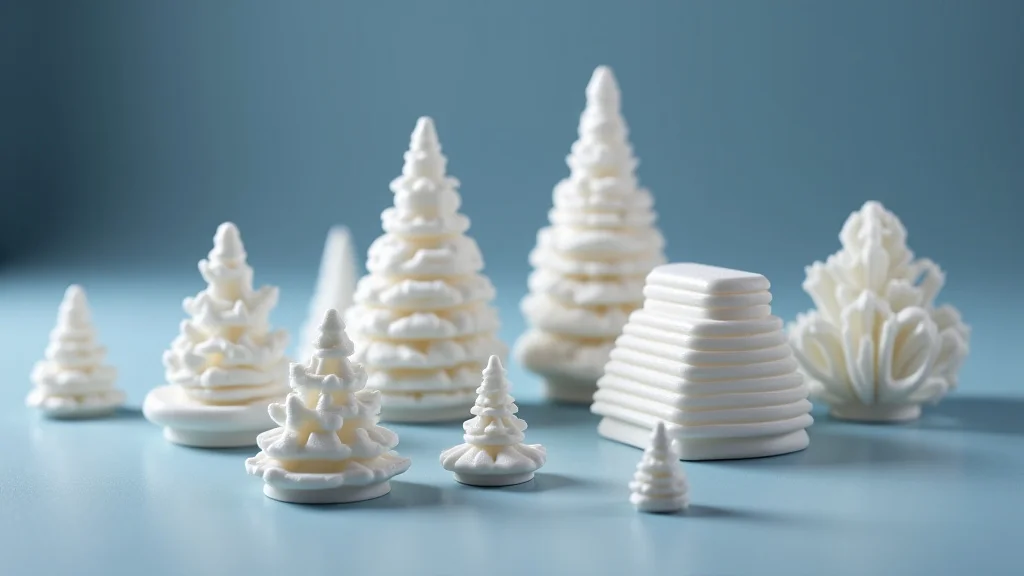
Remember that time you tried to print a phone case, only to have it crack the moment you touched it? Frustrating, right? Well, that’s where 3D silicone filament comes into play! This guide explores how you can create flexible, durable, and unique objects using this fascinating material. We’ll explore its uses, how it works, and how you can get started. You’ll learn the ins and outs of 3D silicone filament, giving you the knowledge to choose the best option for your projects and troubleshoot any issues. Get ready to expand your 3D printing possibilities!
Key Takeaways
- Discover the unique properties that make 3D silicone filament stand out.
- Learn the different applications and advantages of using silicone for 3D printing.
- Explore the technical aspects, including printing settings and post-processing steps.
- Understand common problems and how to solve them for successful prints.
- Compare various silicone filaments, understanding their characteristics.
- Find out where to buy and what to look for when selecting a 3D silicone filament.
Unveiling the Unique Characteristics of 3D Silicone Filament
3D printing has revolutionized manufacturing, and the emergence of specialized materials has opened new doors for creators. Among these innovative materials, 3D silicone filament stands out. Silicone, known for its flexibility, durability, and resistance to heat and chemicals, is a fantastic material to print with. This section will explore the core features that differentiate 3D silicone filament from other 3D printing materials. We will delve into its flexibility, durability, chemical resistance, and the types of projects best suited for this unique material. This will give you a comprehensive view of why this material is gaining traction in various industries.
Flexibility and Elasticity
One of the most noticeable traits of 3D silicone filament is its flexibility and elasticity. Unlike rigid filaments like PLA or ABS, silicone can bend, stretch, and return to its original shape. This feature makes it ideal for applications that require materials that can withstand deformation without breaking. Think of items like gaskets, seals, and flexible wearables. The degree of flexibility can vary depending on the specific formulation of the filament, with some offering more stretch and bounce than others. These characteristics enable the creation of objects with complex geometries and a high degree of movement, broadening the possibilities for 3D printing projects. It’s really the defining characteristic.
- High Elasticity: Silicone filaments can stretch significantly without permanent deformation.
- Shape Memory: Objects return to their original shape after being bent or compressed.
- Impact Resistance: It’s more resistant to shattering than brittle materials.
Many silicone filaments can stretch up to 50% without damage, making them great for shock-absorbing parts. This makes them perfect for creating protective cases, cushions, and other items that require flexibility and the ability to withstand impact. This makes it an ideal option for applications like medical models, where the ability to simulate the properties of soft tissues is crucial. Additionally, their elasticity helps create designs with complex geometries and intricate features that might be impossible with rigid materials.
Durability and Resilience
In addition to flexibility, 3D silicone filament also offers impressive durability and resilience. This characteristic is important for ensuring that printed objects can withstand regular use and environmental stressors. Silicone’s molecular structure allows it to endure various conditions. Silicone’s resilience ensures the longevity of the printed items, making it perfect for applications like gaskets, seals, and components that need to withstand frequent use. This will reduce the need for constant replacement or maintenance. These qualities make the material an excellent choice for a wide variety of practical applications.
- Temperature Resistance: Maintains its properties over a wide temperature range.
- Tear Resistance: Strong and resists tearing under stress.
- Long Lifespan: Printed parts can last a long time, even with daily use.
Many 3D silicone filaments can handle temperatures from -50°C to 200°C without changing their shape or losing their physical properties. This makes it suitable for outdoor use or in applications where the parts may be exposed to extreme temperatures. It also has great tear resistance, meaning that the object is less likely to break when pulled or stretched. This is perfect for components that experience stress. Due to its resistance to degradation, the items can be used for a long time.
Chemical and Environmental Resistance
Silicone is also praised for its high resistance to chemicals and environmental factors. This makes it a great choice for parts that need to be used in harsh situations. This characteristic is really important when using the material in industrial or medical settings. When selecting silicone, it is very useful for engineers and designers to consider the environmental and chemical circumstances of the application to choose the proper type of silicone filament.
- Chemical Inertness: Resistant to many acids, bases, and solvents.
- UV Resistance: Won’t degrade from prolonged exposure to sunlight.
- Waterproof: Naturally water-resistant, suitable for outdoor use.
Silicone can withstand contact with a wide range of chemicals, including many acids, bases, and solvents. This makes it a perfect option for items that come into contact with chemicals. Since it is also resistant to UV radiation, silicone is great for items used outside, where it can face the sun all day long. Its waterproof nature makes it ideal for outdoor applications and medical devices that are constantly exposed to water. The combination of these properties ensures the printed items can be used in different conditions without degradation.
Printing with 3D Silicone Filament: A Detailed Guide
Printing with 3D silicone filament is different from printing with more common materials like PLA or ABS. Because of silicone’s unique properties, there are different printing techniques you need to do to make sure your prints are successful. This section will guide you through the process, covering the settings, the best ways to prepare your printer, and how to deal with issues that may pop up. Knowing these things can help you make quality prints every time.
Printer Setup and Preparation
The printer must be appropriately configured to handle the softness and flexibility of silicone filament. This involves selecting the right extruder, nozzle, and bed surface. This step is important for getting the best prints. Make sure your printer is well-maintained and ready to handle the unique demands of this type of filament.
- Extruder Selection: Direct drive extruders work better than Bowden extruders.
- Nozzle Considerations: Use nozzles made for flexible filaments.
- Bed Surface: Use a heated bed with good adhesion.
Direct drive extruders are typically better because they control the filament more precisely, which is important when dealing with the elasticity of the silicone. A nozzle designed for flexible filaments is suggested, as these have a reduced risk of clogging and a smoother extrusion pathway. A heated bed with good adhesion is also needed to ensure the first layer sticks properly. This may involve using specific bed adhesives or adjusting the bed temperature to the exact requirements of the silicone filament you are using. Make sure your printer is calibrated, and the components are in good condition.
Optimizing Print Settings
Getting the print settings right is essential for achieving the best results with 3D silicone filament. Settings like temperature, print speed, layer height, and retraction are all important and need adjusting to match the properties of the material. This guarantees proper layer bonding, minimal stringing, and the correct overall quality of the print. This part of the process requires some testing and fine-tuning to find the best settings.
- Temperature: Find the right temperature for optimal layer bonding.
- Print Speed: Print slowly to avoid stringing and extrusion issues.
- Layer Height: Experiment with layer height for fine details.
It’s important to find the right temperature for your specific filament to get good layer bonding. Print at a slower speed to prevent stringing and extrusion problems. Also, you should adjust the layer height depending on the design’s complexity. For finer details, a smaller layer height may be beneficial, but it may take longer. You may need to experiment to find the best settings for the specific type of silicone filament you are using. To get the best results, it’s recommended to do several test prints before starting your main project.
Post-Processing Techniques
Post-processing can improve the final quality and look of 3D-printed silicone objects. Although silicone filaments can print detailed designs, post-processing techniques are often helpful to eliminate surface defects, improve flexibility, and prepare the item for use. This involves cleaning the print, removing supports, and possibly adding post-processing. Proper post-processing enhances both the functionality and aesthetics of the finished product.
- Support Removal: Carefully remove support structures.
- Surface Finishing: Remove any imperfections.
- Cleaning: Remove any residue.
Support structures are often required while printing silicone objects with complex forms. Carefully remove these to avoid damaging the print’s delicate parts. Use tools like flush cutters or hobby knives for precision. Removing support structures properly can enhance the visual appeal and function of your items. Clean the item of any remaining residue from the printing process. You can polish your silicone object to give it a smooth, professional finish. Remember, the right post-processing steps can help you get the best performance and appearance out of your 3D-printed silicone items.
Applications and Advantages of 3D Silicone Filament
The flexibility, durability, and chemical resistance of 3D silicone filament make it perfect for various applications across different industries. The flexibility means it can be used for products that need to move, stretch, or bend. It is a fantastic option for everything from medical devices to industrial parts. This section will explore the key areas where silicone filament shines, emphasizing the benefits and advantages it provides. It will show the real value of the material in a range of uses.
Medical and Healthcare
In the medical and healthcare fields, 3D silicone filament has revolutionized the way equipment is designed and manufactured. The material’s biocompatibility, flexibility, and ability to withstand disinfection processes make it perfect for a range of applications. This opens new possibilities for medical device design and patient treatment. Let us examine the specific applications.
- Prosthetics: Creates comfortable and customized prosthetic components.
- Medical Models: Creates realistic and accurate anatomical models.
- Surgical Guides: Improves precision in surgical procedures.
One of the most important applications is making prosthetics. The silicone’s flexibility and biocompatibility make it perfect for creating comfortable, custom prosthetic components. It offers both form and function to the users. Realistic and accurate anatomical models can be made for medical training and surgical preparation. These models can also be used to teach medical students and give surgeons a better grasp of complex procedures. Additionally, silicone filaments are used to make surgical guides. These guides assist in surgical procedures by improving accuracy and reducing errors. The combination of silicone’s properties improves patient outcomes and makes medical procedures more effective.
Consumer Products
3D silicone filament has made a mark in the consumer products sector, providing producers and designers with the capacity to make flexible, durable, and creative products. The unique properties of silicone open new design possibilities, allowing for enhanced functionality and user experience. This section will explore how silicone filament is used to make a range of items. This demonstrates the versatility and value of the material in meeting the needs of consumers.
- Wearables: Makes comfortable and flexible wearables.
- Protective Cases: Provides great protection for smartphones and other devices.
- Seals and Gaskets: Produces reliable seals and gaskets for various products.
Wearables, like wristbands and smartwatches, benefit from the flexibility and comfort of silicone filament. Its ability to bend and stretch makes it the perfect material for these products. Silicone is the perfect option for making cases that protect smartphones and other devices because of its ability to absorb shock and protect against damage. In addition, silicone filament is a great material for creating seals and gaskets. It has outstanding durability and resistance to a variety of environmental conditions. These seals and gaskets are crucial to sealing and protecting appliances. This enhances the general usability and lifetime of many consumer items.
Industrial and Engineering
In the industrial and engineering sectors, the unique properties of 3D silicone filament are great for creating reliable and durable components. Its resistance to temperature changes, chemicals, and wear makes it perfect for use in demanding situations. This section will look into how silicone filament is used in different industrial applications. It shows how it helps improve performance and efficiency in demanding settings.
- Gaskets and Seals: Creates reliable seals for industrial equipment.
- Protective Covers: Protects sensitive equipment from damage.
- Custom Parts: Develops specialized components for unique applications.
Silicone is a great choice for creating gaskets and seals for industrial equipment. Its flexibility and resistance to chemicals help ensure the system’s integrity. These seals help to stop leaks, improving operational effectiveness and reducing downtime. Silicone filament is also used to create protective covers for equipment. This is important in industrial environments where equipment is vulnerable to damage. Silicone covers shield sensitive components from environmental elements, increasing their longevity. Because of its adaptability, 3D silicone filament is excellent for making specialized parts for specialized applications, allowing engineers to design and create custom solutions for challenging issues.
Troubleshooting Common Problems with 3D Silicone Filament
Working with 3D silicone filament can sometimes be challenging, but with the right methods, you can solve common problems and ensure smooth prints. Because of its flexibility, silicone filament needs special care to make sure it prints correctly. This section will cover frequent problems such as stringing, poor layer adhesion, and clogging. You’ll learn how to find and fix these issues, so you can make high-quality prints every time.
Stringing and Oozing
Stringing and oozing are common problems when 3D printing with silicone, and they result in fine strands of material between print elements. This can ruin the item’s finish. Understanding the reason for these problems and using the proper settings can greatly minimize these issues. This part will explain how to recognize the causes of stringing and oozing and give practical solutions to get smooth, flawless prints.
- Cause: High temperatures and insufficient retraction.
- Solution: Lower temperatures and improve retraction settings.
- Prevention: Use the right settings from the beginning.
Stringing and oozing happen when the silicone material drips or oozes from the nozzle while the printer is moving. This is often caused by high printing temperatures. Adjust the printing temperature in small increments until you obtain the best balance between layer bonding and stringing reduction. Also, make sure that retraction settings are optimized. This means the filament is pulled back into the nozzle during travel motions to avoid oozing. To avoid these issues, experiment with the printing settings before the final print.
Poor Layer Adhesion
Poor layer adhesion means that the layers of your print don’t stick together as they should, leading to weaknesses or print failures. This is a common problem with silicone because it can be less adherent than other materials. Improving layer adhesion is vital for the strength and stability of your prints. Here are some steps to improve layer adhesion.
- Cause: Inadequate temperature or bed adhesion.
- Solution: Adjust bed temperature and use adhesive.
- Prevention: Regular printer calibration and maintenance.
Inadequate layer adhesion can result from many things, including the wrong bed temperature and filament temperature. Ensure the hot end temperature is appropriate to permit proper bonding between the layers. Increase the bed temperature slightly to make sure the first layer adheres correctly. Use an adhesive like glue stick or specialized bed adhesives for silicone. Make sure that your printer is calibrated, and the bed is level. Regularly cleaning the bed surface and maintaining the printer helps ensure that all print layers stick together, creating a solid and dependable finished product.
Clogging and Extrusion Issues
Clogging and extrusion issues can stop your print and make it difficult to get the correct results. Silicone filaments are known to be more likely to clog. It is essential to understand the causes and methods to prevent them. This part will examine typical causes, like nozzle blockages, and offer practical solutions for resolving these issues to ensure successful prints.
- Cause: Nozzle blockage or improper extruder settings.
- Solution: Clean the nozzle and optimize the extruder.
- Prevention: Properly maintain the printer and the filament.
Clogging and extrusion issues are frequently caused by the nozzle getting blocked or incorrect extruder settings. The nozzle might become blocked due to leftover material, dust, or the silicone’s properties. Start by cleaning the nozzle using a specialized cleaning needle or by performing an atomic pull to remove debris. You also need to adjust the extruder settings to make sure the filament is moving properly. Regular printer maintenance, including cleaning and proper storage of the filament, will minimize the risk of these issues.
Choosing the Right 3D Silicone Filament for Your Project
Selecting the right 3D silicone filament is a crucial decision that can have a big impact on the success of your project. Various formulations are available. They differ in their flexibility, durability, and special properties. This section will help you understand the most important factors to consider when choosing a silicone filament. This will ensure that you select a material that best suits your needs.
Material Properties and Characteristics
The material characteristics of the silicone filament you use will affect its performance and suitability for certain applications. These properties impact the printed object’s mechanical characteristics, durability, and resistance to environmental elements. Knowing these characteristics will help you make an informed decision and guarantee that the selected filament meets your project’s needs.
- Shore Hardness: Measures the material’s softness or firmness.
- Tensile Strength: Measures the ability of the material to resist breaking under tension.
- Elongation at Break: Measures how far the material can stretch before breaking.
The Shore hardness value shows how soft or hard the silicone is. This is important for determining the flexibility of the item. A lower Shore value suggests a softer, more flexible material. The tensile strength of silicone determines how well it can withstand stress. Materials with a high tensile strength are suited for applications that need durability. Elongation at break is a measure of how far a material can stretch before it breaks. High elongation rates are important for items that need to stretch or bend without breaking. Understanding these characteristics allows you to choose a filament that is appropriate for your project’s requirements.
Brand and Compatibility Considerations
Selecting a brand of 3D silicone filament is crucial for compatibility with your printer and your project’s particular needs. Because different brands employ various production processes and formulations, their items may vary in quality, printing capabilities, and final product characteristics. It is important to know the brand’s reputation and its compatibility with your equipment and project requirements. It’s also important to think about printer compatibility and read reviews to ensure a good printing experience.
- Printer Compatibility: Check your printer’s compatibility.
- Brand Reputation: Select well-known brands.
- User Reviews: Read reviews for real-world insights.
Before buying a silicone filament, make sure it is suitable with your 3D printer. This includes the extruder type, nozzle size, and temperature range. Using a filament with the right specs will make printing easier. Well-known brands usually deliver better quality and reliability due to better quality control. Reading customer reviews can provide useful information about the filament’s printing features, the finished product’s quality, and whether it meets user expectations. Consider all these criteria when selecting the right 3D silicone filament brand.
Cost and Availability
The cost and availability of 3D silicone filament are important factors that can influence your decision. The price of filament varies according to brand, qualities, and quantity. Understanding these criteria will enable you to make informed decisions that meet your budget and printing needs. The supply of filament can influence the time it takes to get it and the number of prints you can make.
- Price per Spool: Compare prices of various filaments.
- Availability: Check for local or online vendors.
- Value for Money: Evaluate based on the characteristics.
The cost of 3D silicone filament varies depending on the brand and the amount of filament on each spool. Compare prices from many suppliers to find a choice that fits your budget. Make sure to check the availability of the filament from both local and online vendors. This may have an impact on how quickly you get the product and the costs associated with it. The value for money should be evaluated based on the filament’s properties, durability, and printing quality. Always balance the cost with the filament’s performance and the needs of your project.
Common Myths Debunked
Frequently Asked Questions
Question: Is 3D silicone filament difficult to print with?
Answer: Yes, 3D silicone filament requires some adjustments and special techniques, but with the correct printer settings and preparation, successful prints are achievable.
Question: Can I use any 3D printer for 3D silicone filament?
Answer: No, you should have a printer that can handle flexible filaments. A direct drive extruder and a heated bed are usually recommended.
Question: Does 3D silicone filament require special nozzles?
Answer: Yes, nozzles that are made for flexible filaments, with a wider diameter, are usually recommended to reduce clogging.
Question: Are 3D silicone prints suitable for outdoor use?
Answer: Yes, many 3D silicone filaments are UV resistant and waterproof, making them suitable for outdoor applications.
Question: How do I store 3D silicone filament?
Answer: Store the filament in a cool, dry place away from direct sunlight and humidity. Sealing it in an airtight container with desiccant is also recommended.
Final Thoughts
In the end, 3D silicone filament is a unique and valuable material in the 3D printing industry. Its flexibility, durability, and chemical resistance make it perfect for many projects. From medical devices to consumer products, it is pushing the limits of what is possible with 3D printing. As you explore this material, remember that getting the right print settings and techniques is key. By understanding the properties of 3D silicone filament and troubleshooting common issues, you can create functional and creative objects. Explore different brands, test different settings, and embrace the potential of this amazing material. Get ready to turn your ideas into reality!